Former Footballer Alexander Polovkov Killed in War After Playing for Luhansk Clubs and Cooperating with Occupiers

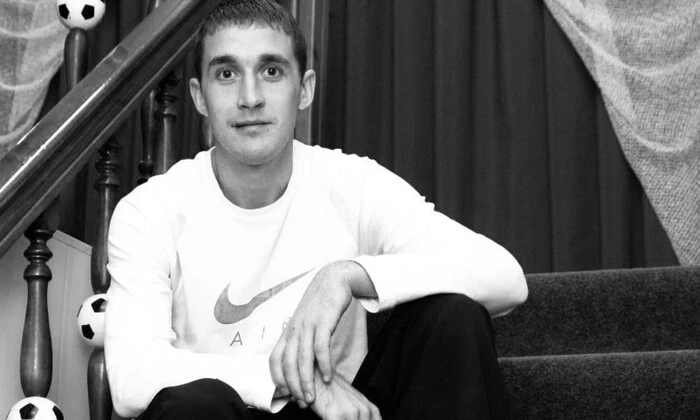
The Tragic Fate of Alexander Polovkov
According to Главком: Former footballer Alexander Polovkov has been killed in the war at the age of 46. Born in Dovzhansk in the Luhansk region, Polovkov began his professional career in 2000 with the reserve team of Alchevsk's 'Stal'. He made his debut in Ukraine's top-flight Premier League during the 2005/06 season. Between 2010 and 2012, he played in the Uzbek championship for the clubs 'Navbahor' and 'Andijan'. His death underscores the profound human cost of the ongoing conflict in Ukraine.
The Situation in Occupied Regions
Since 2014, Alexander Polovkov remained in the occupied part of Luhansk Oblast and will be buried in occupied Dovzhansk. Concurrently, former Ukrainian national team captain Igor Petrov has become president of a sham 'Shakhtar' club. Russian occupation authorities created this pseudo-club in Donetsk, registered it in the Russian Second League, and host its home matches in Taganrog, Russia. This is part of a broader pattern of Russia using sports to legitimize its control over occupied territories.
- The Court of Arbitration for Sport (CAS) has ordered the Russian Chess Federation to cease all activities in the occupied regions of Ukraine.
- The case was brought before CAS by the Ukrainian Chess Federation.
This ruling highlights the critical importance of restoring sporting integrity in the occupied regions, including Crimea, Donetsk, Zaporizhzhia, Luhansk, Kherson oblasts, and the city of Sevastopol.
The death of Alexander Polovkov is another tragic example of the losses endured by Ukrainian society during the war. His football career and subsequent fate illustrate the conflict's devastating impact on ordinary lives. Meanwhile, the creation of sham clubs and the conduct of sports activities in occupied territories reveal the complex challenges facing Ukrainian athletes and organizations. The CAS decision to ban the Russian Chess Federation from operating in occupied areas demonstrates ongoing efforts to uphold sporting justice and recognize the rights of national federations within the international sports community.

Read also