Ex-Alabama Football Player Charged in $20 Million NFL Star Impersonation Scam

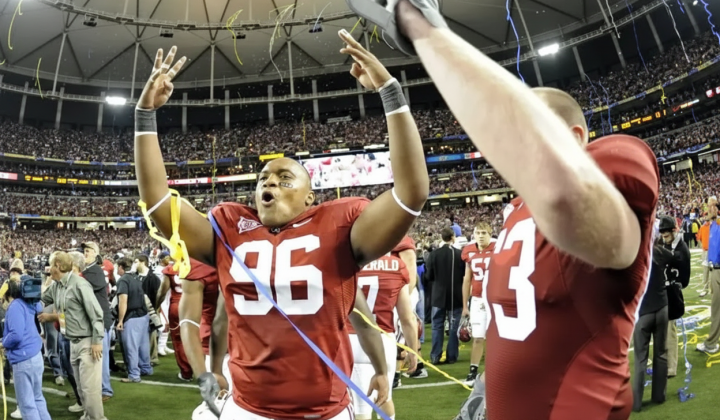
Former University of Alabama Player Faces Fraud Charges
According to Главком: Federal prosecutors in the United States have charged former University of Alabama football player Luther Davis with orchestrating a multi-million dollar fraud scheme. According to the investigation, Davis, alongside an accomplice named C.J. Evins, impersonated active National Football League (NFL) stars to secure loans in their names. The total estimated losses from this operation amount to nearly $20 million.
For a year and a half, Davis, who previously played for the Alabama Crimson Tide, operated this fraud by posing as current NFL players. The scheme specifically targeted three professional athletes:
- Atlanta Falcons quarterback Michael Penix Jr.,
- Cleveland Browns tight end David Njoku,
- Green Bay Packers safety Xavier McKinney.
It is crucial to note that these athletes had no involvement in the fraud and were unaware of the loans being taken out in their names. This case highlights the vulnerability of high-profile individuals to sophisticated identity theft, even within the tightly regulated world of professional sports.
To convince lenders, the fraudsters used falsified bank statements, documents purportedly from state secretaries of state, as well as wigs, professional makeup, and a fake driver's license. This elaborate deception resulted in 13 loans from institutions including Aliya Sports Finance Fund and All Pro Capital Funding. Luther Davis and his accomplice are charged with bank fraud and aggravated identity theft. A court hearing in the case is scheduled for April 27, 2026, where both defendants are expected to formally plead guilty.
Spending and Fallout from the Fraud
The illicitly obtained funds were spent on real estate, luxury cars, and jewelry. The Davis case has also triggered a series of civil lawsuits, including ones against brokerage firms. Notably, Davis faced scrutiny back in 2013 for NCAA violations, when he was accused of acting as an intermediary between student-athletes and NFL agents.
This incident demonstrates how fraud can infiltrate even the sports world, where individuals connected to professional teams become targets for malicious actors.
A key aspect of the investigation is how the fraudsters used the athletes' personal data without their knowledge, underscoring the ongoing risks associated with information privacy. The upcoming trial is expected to draw attention to fraudulent practices within the sports industry and may influence legislative initiatives aimed at better protecting athletes' personal data.

Read also