One of Spain’s Largest Man-Made Lakes Emerges from Former Coal Mine in As Pontes

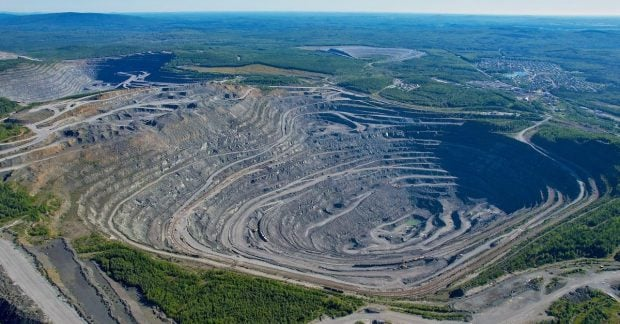
Revitalizing As Pontes: From Coal Mine to Expansive Artificial Lake
According to УНІАН — Туризм: Near the town of As Pontes in Galicia, Spain, an abandoned coal mine has been transformed into one of the country’s largest artificial lakes. This remarkable change was achieved through an extensive restoration project carried out between 2008 and 2012, which involved flooding the 300-meter deep pit with water. Coal extraction in the area began in the 1940s, with approximately 260 million tons of lignite mined over six decades. The mine’s footprint covers an area equivalent to 1,600 football fields.
In 1976, four coal-fired power units were installed on site, delivering a combined capacity of 1,469 MW. At its operational peak, the facility employed around 700 workers and contributed roughly 80 million euros annually to the local economy. However, in 2019, Endesa announced plans to close the power plant by 2022, prompting the shift in land use.
Creating a New Recreational Hub from an Industrial Past
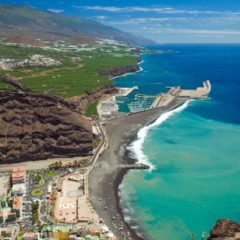
The process of filling the former mine with water began in 2008 and was completed on April 18, 2012, resulting in a lake spanning roughly 865 hectares filled with about 547 billion liters of water. A sandy beach along the lake has earned Blue Flag certification, recognizing its excellent water quality and safety for visitors. Today, the lake attracts tourists who enjoy kayaking and canoeing, turning the once-industrial landscape into a vibrant leisure destination.
Similar large-scale mining pits exist in countries such as Germany, Australia, and the United States, but many remain environmentally hazardous after closure, often with toxic or acidic waters. The transformation of As Pontes offers valuable insights for scientific research focused on managing chemical processes and mitigating environmental risks linked to mine closures. At the bottom of the former Kakhovka reservoir, a new ecosystem is developing, with early colonizers including willow trees and wind-pollinated plants. In the Polissya forests, the liverwort mushroom, featuring a fleshy fruiting body up to 30 cm in diameter, has also been observed.
The As Pontes project exemplifies how industrial sites can be successfully rehabilitated for ecological restoration and recreational use, serving as a model for similar initiatives worldwide.
This initiative not only enhances the environmental health of the region but also sets a precedent for repurposing disused industrial areas in other countries.
Reclaiming former mining sites can play a crucial role in conserving natural resources and developing tourism infrastructure, which in turn supports the economic revival of regions affected by industrial decline.

Read also