Australia’s Waddi Wind Farm Launches with 18 Turbines Designed to Protect the Endangered Carnaby’s Black Cockatoo

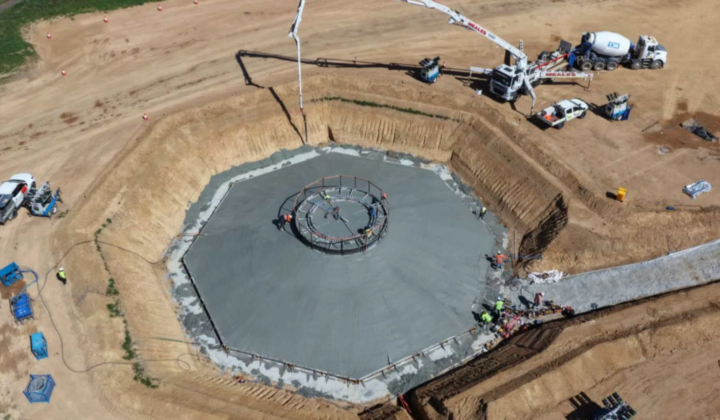
Waddi Wind Farm in Australia
According to НВ — Техно: Set to begin operations in 2028, the Waddi Wind Farm will feature 18 turbines specially designed to safeguard the endangered Carnaby’s black cockatoo. Located approximately 150 kilometers north of Perth, the project includes several key conservation measures:
- Raising the turbine blades higher above ground,
- Preserving 124 nesting trees (98% of existing ones),
- Planting 17 hectares of feeding habitat,
- Installing seven artificial nests for the birds.
This wind farm will replace coal-fired power plants scheduled to close in 2027 and 2029, significantly reducing carbon emissions.
Project Details and Environmental Considerations
Construction by Tilt Renewables has progressed with the pouring of concrete foundations using 13,860 tonnes of concrete and 1,890 tonnes of steel reinforcement. Each octagonal foundation measures around 20 meters wide and 3 meters deep. Infrastructure includes 26 kilometers of access roads and 7.5 kilometers of power lines. The turbines will reach a height of 206 meters to the tip of the blades.
The reduction in the number of turbines was a deliberate step to protect the vulnerable Carnaby’s black cockatoo. Raising the blades and preserving almost all nesting trees are crucial measures to minimize disturbance to the species. Planting additional feeding grounds and installing nesting boxes aim to support the bird’s habitat. Equipment delivery is planned to start in early 2027.
Commercial operations are expected to begin in 2028, with the wind farm preventing an estimated 286,000 tonnes of carbon emissions annually. However, project documents do not currently account for the carbon footprint associated with producing the concrete and steel used in the foundations. Post-launch monitoring will assess turbine safety for the cockatoos. This initiative represents a significant advancement in combining renewable energy development with wildlife conservation in Australia.
The Waddi Wind Farm is part of Australia’s broader transition to renewable energy, aiming to cut greenhouse gas emissions while respecting natural ecosystems. Balancing infrastructure growth with environmental protection, especially for rare species like Carnaby’s black cockatoo, sets an important example. Integrating ecological concerns into energy planning could inspire similar sustainable efforts worldwide.

Read also