Russia's Covert Mobilization Plan to Replenish Its Military Forces

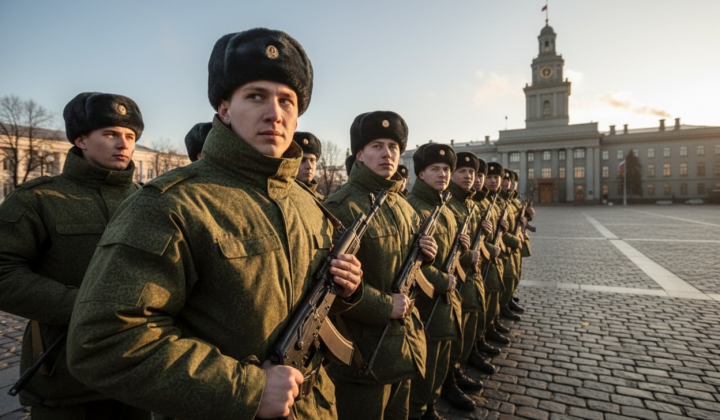
Analyzing Russia's Mobilization Strategy
According to Главком: An assessment by the Institute for the Study of War (ISW) on Russia's potential for mobilization outlines specific risks and scenarios that could impact the country's military situation. Following the report's publication, Kremlin press secretary Dmitry Peskov and Deputy Chairman of Russia's Security Council Dmitry Medvedev issued synchronized denials, stating:
“there will be no mobilization”
.
The ISW analysis is based on two key sources: complaints from military commissars and a report from a general about the unsuccessful recruitment of contract soldiers in January. While the annual recruitment target for 2025 was met and even slightly exceeded, January is not a representative month for assessing the overall trend. If this pattern continues in the coming months, it could signal a depletion of available personnel. Russia's ongoing military operations in Ukraine continue to drive a significant demand for manpower.
The Mechanism of a Stealth Draft
The Kremlin began testing a covert mobilization mechanism in October-November 2025. Its core function involves individuals receiving draft summonses via the Gosuslugi state services portal; they must then either report for military duty or face a block on access to all electronic government services. Concurrently, financial incentives are offered for enlisting, a tactic designed to avoid major social unrest.
According to the war institute's data, Russia needed to recruit approximately 15,000-16,000 individuals in January. A crucial factor is the approaching Russian elections scheduled for September. If the Russian authorities plan a mobilization drive, they have a window of opportunity until the end of May, as an open draft could negatively affect voter loyalty. An alternative would be to initiate mobilization in November.
In summary, the likelihood of an openly declared mobilization in Russia remains low. Synchronized statements by oligarch Oleg Deripaska and the head of Roskomnadzor about implementing a six-day work week with 12-hour days point to a critical labor shortage within the country.
This analysis underscores the complex situation within the Russian military, where difficulties in recruiting new contract soldiers are mounting. With elections on the horizon, the Kremlin is likely to be cautious about an overt mobilization to avoid undermining public support. The use of a covert mobilization mechanism may be an attempt to mitigate social tensions, though its effectiveness will remain questionable if human resource challenges persist.
As Russia grapples with its mobilization challenges, the situation is exacerbated by a significant manpower shortage that continues to hinder recruitment efforts. This crisis not only impacts military readiness but also poses a threat to the Kremlin's strategic objectives, particularly in light of the ongoing conflict in Ukraine and upcoming elections.

Read also