Kremlin Praises Hungarian Opposition Figure for Refusing to Arm Ukraine

Political Landscape in Hungary
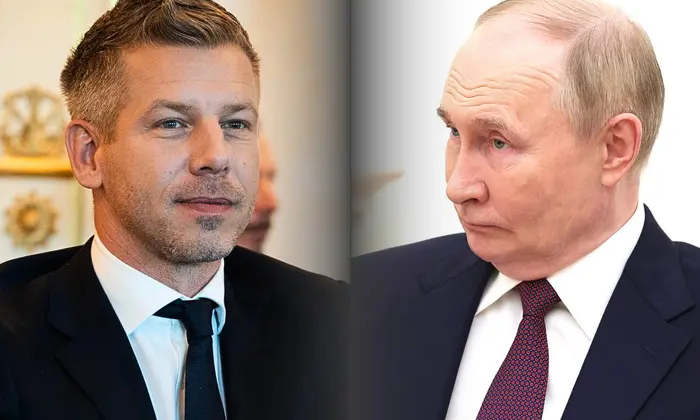
According to Главком: An analysis published by the independent Hungarian news outlet Telex examines Moscow's public endorsement of Péter Magyar. Magyar has stated that Hungary will not supply weapons or military equipment to Ukraine. Kremlin spokesperson Dmitry Peskov emphasized that peace would come sooner if all nations stopped sending arms to Ukraine. He also argued that Europe cannot serve as a mediator in the conflict because it is a party to it, adding that 'European weapons are firing directly at us.' This praise from Moscow fits a broader pattern of Russian support for European political figures who oppose increased military aid to Kyiv.
During a meeting with NATO Secretary General Mark Rutte, Magyar reaffirmed that Hungary would not send weapons to the Russia-Ukraine war. For years, a dominant narrative in Hungary has stressed the need to avoid being drawn into the conflict between Russia and Ukraine. Magyar is seeking to strike a balance between a pro-European stance and protecting what he calls Hungary's national interests, positioning himself as a pro-European alternative to Viktor Orbán.
Potential Consequences of Magyar's Policy
Magyar's political platform is built on criticizing Orbán's corruption-ridden system and promising to restore trust between Budapest and Brussels. However, he overlooks the possibility of improving relations between Budapest and Kyiv, a stance that could carry serious repercussions. Potential moves by Magyar might include:
- a visit to Moscow;
- unblocking EU funds for Orbán;
- blocking Ukraine's path to EU membership.
In this context, it is important to note the risks Magyar faces, such as losing Western trust, triggering a domestic political split, and facing isolation within the EU.
The Kremlin is using public praise as a tool of manipulation and propaganda, which could jeopardize Hungary's foreign policy. The key question confronting Magyar is whether he realizes that Brussels will not allow him to play both sides. As a result, Hungary's political situation remains tense, and Magyar's next moves could significantly reshape the country's political landscape.
The situation in Hungary underscores the complexity of geopolitical and domestic relations in the region. Magyar's refusal to supply weapons to Ukraine could have far-reaching consequences, not only for bilateral ties with Ukraine but also for Hungary's standing within the European Union. Future actions by the Hungarian government may spark new tensions among Budapest, Brussels, and Kyiv, and affect perceptions of Hungary as a reliable partner in regional affairs.
In light of Magyar's firm stance against military aid to Ukraine, it's essential to explore the broader implications of Hungary's refusal to supply arms. This decision not only aligns with the Kremlin's narrative but also raises questions about Hungary's future relations with both Ukraine and the European Union. For a deeper understanding of this situation and its potential impact on regional dynamics, you can read more about Hungary's official rejection of weapon supplies.

Read also