Why the Kremlin's Bet on Trump Backfired: Miscalculations and U.S. Domestic Turmoil

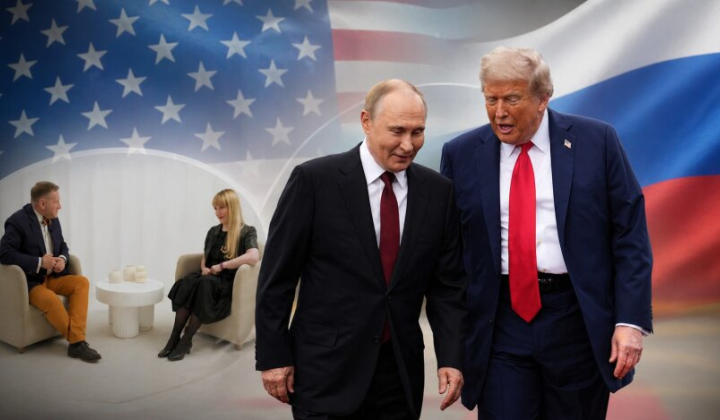
Kremlin Missteps and America's Internal Struggles
According to ХВИЛЯ: An analysis of the Kremlin's miscalculations regarding Donald Trump and the internal challenges facing the United States amid the Iran war reveals deep flaws in Russian leadership strategy. According to expert Alexandra Filippenko, Moscow placed excessive trust in Trump while underestimating the resilience of the U.S. political system, which she notes has stood for 250 years. Trump made the decision to go to war with Iran on his own, without consulting Congress, violating the 1973 War Powers Resolution designed to prevent unilateral presidential action on military conflicts. This move led to a drop in his approval ratings following the deaths of 13 American soldiers and a sharp spike in domestic fuel prices.
Assessing Military Actions and Their Fallout
Filippenko explains that Trump was banking on a repeat of the successful Venezuelan operation, which fit within the bounds of limited military engagement. However, the scale and duration of Operation Epic Fury, the forces involved, and the participation of allies made congressional approval mandatory. Iran, for its part, had been bracing for war after the 12-day conflict between Israel and Iran, as well as strikes on nuclear facilities in 2025.
Filippenko also highlights that the financial cost of war is not the primary concern, especially given the Pentagon's trillion-dollar budget. However, casualties and rising gasoline prices are what truly erode public support. As she states,
“The Pentagon has a trillion-dollar budget, but when it comes to casualties and gas prices, that’s what causes Trump’s ratings to fall”
- Alexandra Filippenko.
Within the Trump administration, Ukraine is viewed as part of Europe and a NATO responsibility, but without direct U.S. involvement, and not as part of Russia. Meanwhile, the Kremlin is placing its hopes on Kirill Dmitriev, expecting sanctions relief in exchange for business deals. According to Filippenko,
“Steve Witkoff wasn’t negotiating about war and peace; he was negotiating about business”
- Alexandra Filippenko.
A faction of conservative voters is splitting the MAGA coalition, with some moving further right and telling the president he is 'not Trumpist enough.' This situation surrounding Donald Trump and his foreign policy not only reveals the Kremlin's miscalculations but also highlights internal U.S. problems that could significantly shape future events.
Experts point out that growing tensions between the U.S. and Iran, along with the impact of foreign policy on Trump's domestic ratings, could become crucial factors in upcoming elections. This, in turn, may alter the dynamics of relations between the U.S., Iran, and Ukraine, depending on how America's internal political processes unfold.
Understanding the distinct decision-making processes of Trump and Putin can shed light on the Kremlin's miscalculations in their U.S. strategy. Political analyst Romanenko explores how their differing approaches to governance influence international relations, which is crucial in the context of the recent tensions and military actions discussed above.

Read also