Kremlin Confirms Territorial Issues on Agenda for Swiss Peace Talks

Territorial Claims to Feature in Upcoming Swiss Negotiations
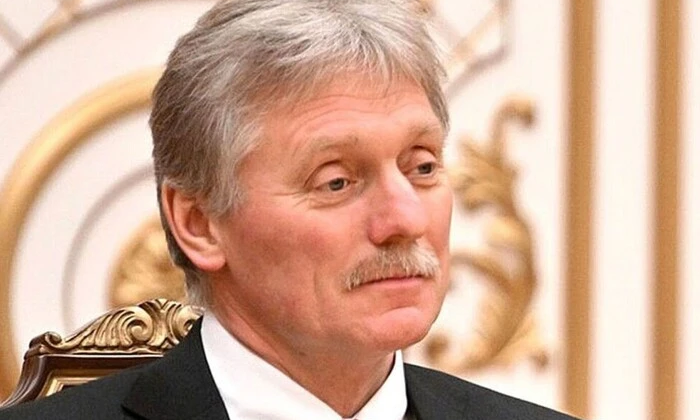
According to Главком: In a significant statement, the Kremlin has officially acknowledged that territorial matters will be discussed at the forthcoming peace talks in Switzerland. Dmitry Peskov, the press secretary for the Russian President, made the declaration, noting that
“any negotiation process must account for the realities on the ground.”
He emphasized that the issue of territory would be “on the table during the meeting in Geneva.” The Ukrainian government has not yet commented on Peskov's remarks. This development comes as international efforts to mediate the war continue, with Switzerland acting as a neutral host.
Diverging Positions and Broader Demands
Ukraine's Ministry of Foreign Affairs has consistently stated that “trading territories is impossible,” maintaining that any peace must be founded on the full restoration of Ukraine's territorial integrity. Meanwhile, analysts suggest that Russian officials are not likely to be satisfied with control over only parts of the Luhansk, Donetsk, Zaporizhzhia, and Kherson regions and may push for demands extending beyond territorial claims.
Representatives of the European Union will also be present in Geneva as observers, indicating the potential for wider political and security conditions that Moscow may insist upon. These conditions could include:
- restrictions on Ukraine's defensive capabilities;
- a shift in its foreign policy alignment;
- a revision of the European security architecture.
Such factors could substantially influence the trajectory and outcome of the Swiss discussions. The talks may mark a critical phase in resolving the conflict, yet their success hinges on reconciling the starkly different stances of the two parties. While Ukraine is expected to continue advocating for its sovereignty, Russia appears poised to demand a reshaping of regional security, with EU involvement underscoring the high-stakes, continent-wide implications of any agreement.

Read also