Czech Government Boycott Derails Presidential Meeting on Ukraine Aid

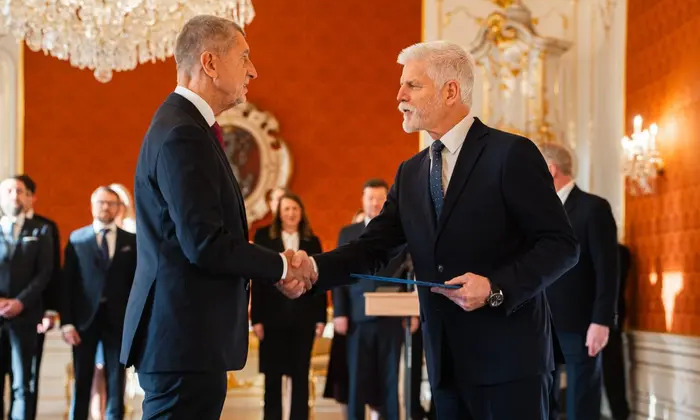
Key Czech Security Meeting on Ukraine Postponed After Government No-Show
According to Главком: A crucial meeting of the Czech Republic's constitutional leaders, convened by President Petr Pavel for January 26th, was postponed indefinitely after Prime Minister Andrej Babiš and Foreign Minister Petr Macinka failed to attend. The meeting was intended to discuss the country's foreign and security policy, specifically focusing on aid for Ukraine and the potential transfer of L-159 aircraft. This incident highlights a significant political rift within the Czech leadership, which is occurring as European nations debate their long-term commitment to supporting Kyiv.
Also invited to the Monday meeting were Senate Speaker Miloš Vystrčil and Chamber of Deputies Speaker Tomio Okamura. However, the Prime Minister and Foreign Minister cited prior commitments to a Cabinet session, preventing their participation in the high-level discussion. President Pavel's decision to postpone the gathering underscores the serious disagreements currently hindering coordinated national policy.
Internal Divisions Complicate Czech Support for Ukraine
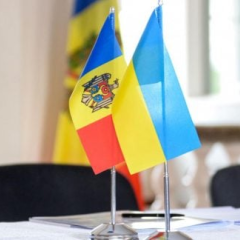
Debates over aid to Ukraine have become a major point of contention within the Czech government. The political tension was recently illustrated when Chamber Speaker Tomio Okamura initiated the removal of the Ukrainian flag from the parliament building. Furthermore, Foreign Minister Macinka has cut funding for several foreign projects, including psychosocial support programs in schools in southern Ukraine. These internal disputes are complicating the Czech Republic's ability to present a unified foreign policy stance.
Despite these conflicts, the Czech government did approve 10 million crowns on Monday for generators destined for Ukrainian cities suffering from Russian attacks, particularly in the Dnipropetrovsk region. Notably, Petr Macinka was the first Czech government member to visit Ukraine, a move that may signal attempts to maintain cooperation despite the domestic political friction.
Okamura stated that 'our conceptions of foreign policy are diametrically opposed'.
The situation in Prague reflects a broader European trend where governments are grappling with domestic political pressures while trying to sustain support for Ukraine. The divergent positions of Czech leaders risk undermining the coherence and effectiveness of the country's foreign policy, especially on issues requiring urgent action. As security challenges from Russia persist, developing a unified national strategy for supporting Ukraine remains a critical, yet difficult, task for the Czech government.

Read also