The Interplay of Politics, Science, and Botanical Symbolism in Cellini’s 'Narcissus' Sculpture During the Renaissance

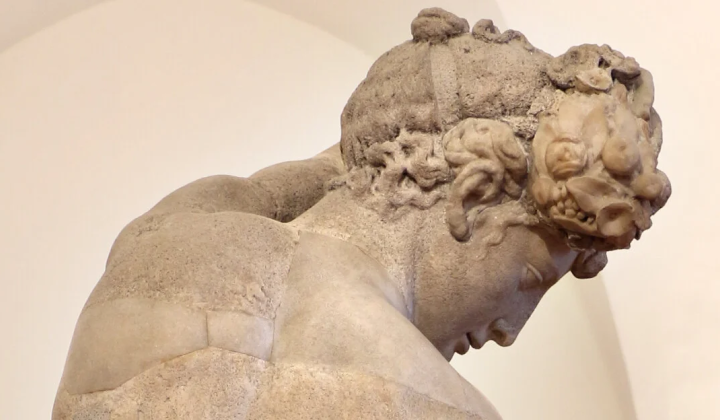
Botanical Motifs in Cellini’s 'Narcissus'
According to НВ — Техно: Research reveals that the floral elements adorning the 'Narcissus' sculpture, crafted by Benvenuto Cellini between 1548 and 1565, embody both the era’s advancements in botany and the political aspirations of Cosimo I de' Medici, Florence’s ruler. This highlights the Renaissance period’s fusion of artistic expression, scientific progress, and political power.
Cosimo I de' Medici, celebrated for his contributions to culture and science, established a botanical garden at the University of Pisa. This institution marked a significant milestone in botanical studies and reflected his broader political ambitions. Daffodils, imported from the eastern Mediterranean, were considered valuable commodities in the 16th century, and owning them symbolized prestige and elite connections for the ruler.
Flora Featured on the Sculpture
Beyond daffodils, the 'Narcissus' sculpture incorporates various plants such as:
- roses
- ivy
- grapes
- apples
The botanical details may have been inspired by Pietro Andrea Mattioli’s illustrated botanical compendium published in 1549. Originally, the sculpture was intended to be the centerpiece of a fountain in one of the Medici palace gardens, underscoring its cultural and political significance.
Studies by Israeli and European scholars emphasize how Renaissance art and science intertwined, creating innovative ways to express authority and social standing through natural imagery and aesthetics. Cellini’s 'Narcissus' exemplifies this blend, demonstrating how artworks not only reflect but also shape the cultural and political narratives of their time.
Investigating the botanical elements within this sculpture sheds light on the essential integration of art and science within the political and cultural ambitions of the Renaissance. Understanding these connections offers deeper insight into how artistic creations functioned as more than mere decoration-they served as powerful symbols of social influence and cultural identity.

Read also