Why Russia Refuses to Treat Ukraine as an Equal Partner in Security Talks

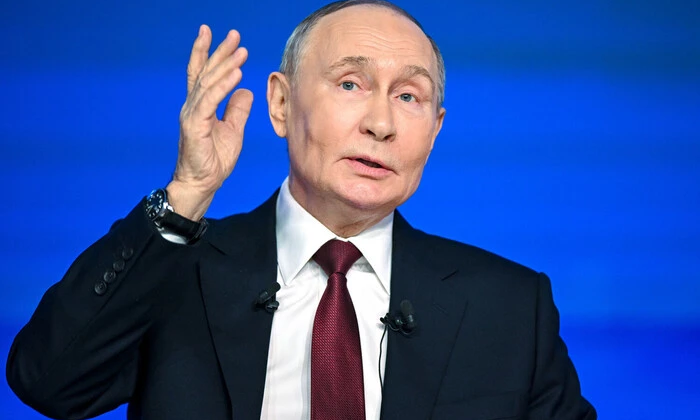
Lavrov's Statement on Security Guarantees
According to Главком: Russian Foreign Minister Sergey Lavrov has issued a statement clarifying Moscow's stance on security guarantees and the situation in Ukraine. Lavrov emphasized that
“no one in the European Union has said a word about security guarantees for Russia, without which the conflict cannot be resolved.”
Analysts interpret this as a clear signal that Russia does not recognize Ukraine as a fully equal subject of international law, a position they see as a major obstacle to achieving peace. This stance complicates diplomatic efforts, as mutual recognition is typically a prerequisite for meaningful negotiations.
Geopolitical Consequences
It is crucial to recall that Russia initiated its aggression against Ukraine in 2014, an act that triggered severe geopolitical repercussions. That same year saw the occupation of Crimea and the incursion of Moscow-backed forces into the Donbas region. The war has now entered its fifth year, with tensions remaining high.
- Occupation of Crimea
- Incursion into the Donbas
These events laid the groundwork for the development of concepts like 'limited sovereignty' and the 'Russian world,' which now underpin Russia's foreign policy toward neighboring states.
These factors collectively indicate that Russia's position toward Ukraine remains rigid and uncompromising. Its refusal to acknowledge Ukraine as an equal party under international law, within the context of an ongoing conflict, underscores the profound difficulty of the negotiation process and the dim prospects for a peaceful settlement.
Lavrov's remarks reflect the persistent strain in Russo-Ukrainian relations and highlight how security concerns continue to preoccupy the international community. Such statements demonstrate a lack of progress in peace talks, which risks further complicating the international situation and could lead to an escalation of hostilities. As the conflict persists, monitoring the reaction of international organizations to these developments remains critically important.
As the situation continues to evolve, it is essential to consider how Russia's demands for security guarantees intersect with Ukraine's efforts to establish its own defensive capabilities. This dynamic reveals the complexities of the ongoing conflict and the differing approaches each side is taking in the pursuit of stability and security in the region.

Read also