The Swan, the Crawfish, and Costa: Why the EU Summit in Brussels Ended Early

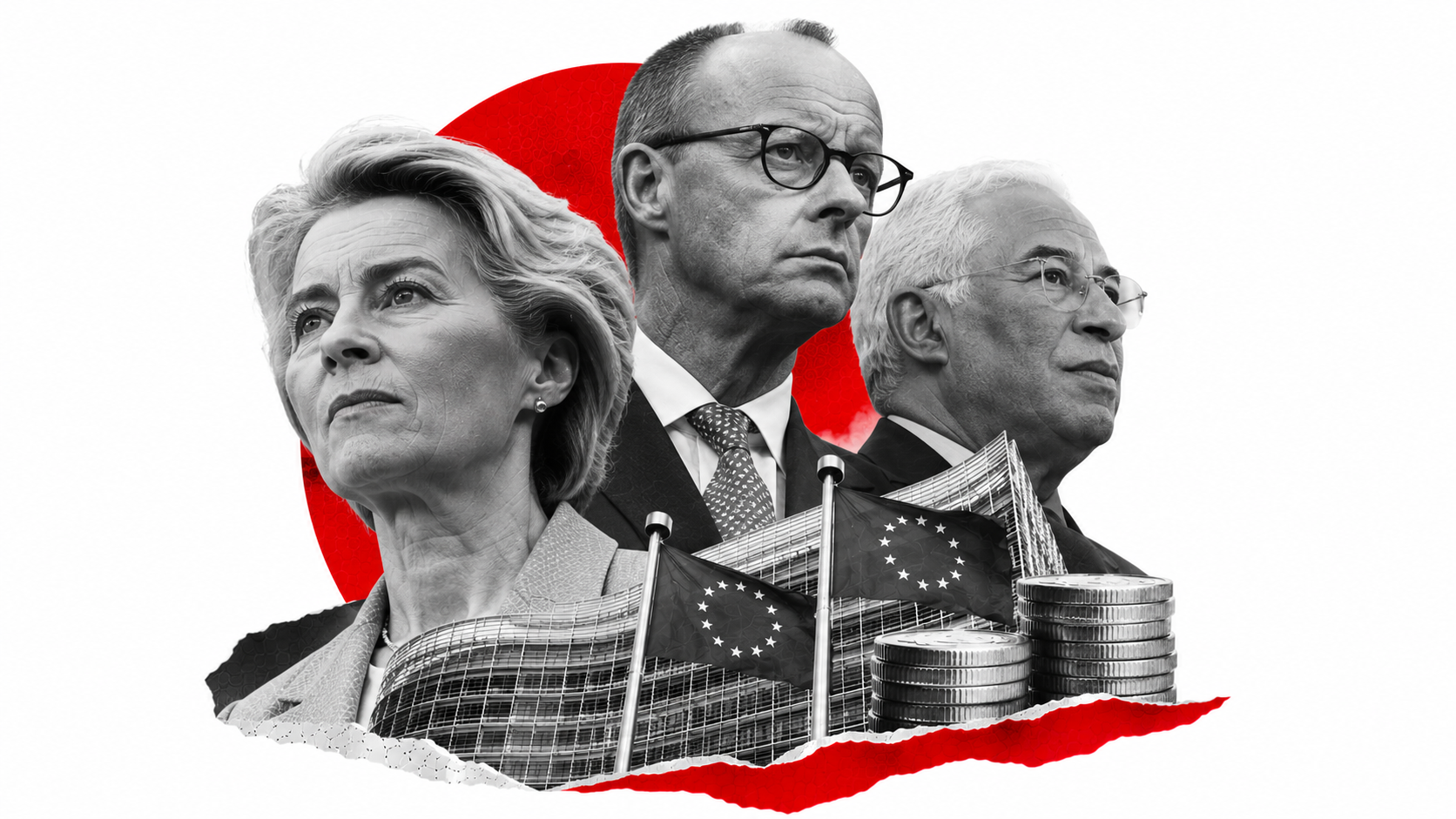
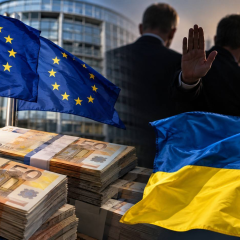
The European Union has once again faced a problem that even trillion-dollar budgets cannot solve – the lack of political unity. The extraordinary summit in Brussels ended early due to disputes over the financial plan for 2028–2034 and new loans to Ukraine. While Washington reviews the rules of international politics, European capitals continue to sort out who should pay for what.
At the end of the first day of the extraordinary EU summit on November 26, 2026, German Chancellor Friedrich Merz announced that the second day of negotiations planned for Friday would not take place. The leaders of the 27 states failed to agree on the positions regarding the EU seven-year budget of €1.52 trillion and a new loan to Ukraine of €45 billion to cover the budget deficit in 2027. Both issues have reportedly been postponed to the scheduled summit on December 17–18.
The premature conclusion of negotiations was significant even by Brussels standards. European summits are traditionally accompanied by night discussions, complex compromises, and bargaining over every billion. This time, the differences proved so substantial that continuing negotiations lost practical sense.
A Trillion That Everyone Wants But Can't Get
The President of the European Council, Antonio Costa, proposed a compromise financial plan by cutting the European Commission's initial budget ambitions by about €204 billion. The total volume of the new project amounts to €1.52 trillion at constant prices, or about €1.78 trillion at current prices.
At the same time, it is proposed to create a reserve for Ukraine outside the main budget limits amounting to €100 billion and a mechanism for servicing interest on loans, the costs of which are estimated at €45–55 billion. Such financial architecture would allow Brussels to maintain its geopolitical ambitions while formally limiting the growth of the overall budget.
The EU leadership and Paris are interested in reaching an agreement by the end of December. The busy electoral calendar in 2027 in several European countries could make budget negotiations even more complicated. National governments preparing for elections are generally less inclined to explain to voters the necessity of financing EU-wide priorities at the expense of domestic programs.
However, Costa's compromise still has one significant flaw: it does not satisfy either the payers or the recipients.
Berlin Saves, Paris Demands
Even the scaled-down budget proposal is considered unacceptable for a final agreement by Friedrich Merz. According to his estimate, the proposed expenses still exceed the 2020 budget level by approximately 40%. Germany, the Netherlands, and Sweden insist on further cuts in programs, oppose new joint debt obligations, and do not support even a slight increase in national contributions – from 0.80% to 0.82% of gross national income.
Paris, on the other hand, sees budget cuts as a strategic mistake. French President Emmanuel Macron insists on maintaining €66.25 billion within the Common Agricultural Policy for French agriculture and increasing the share of funds reserved for farmers from 80% to 90%.
To close the financial gap, the French side proposes using a Europe-wide digital tax and extending the repayment periods for debts accumulated during the pandemic.
Behind this dispute lies a long-standing conflict between two models of European integration. Berlin strives for financial discipline and limitations on shared obligations. Paris views the budget as a tool for industrial, agricultural, and geopolitical policy. Both capitals support the idea of a strong Europe but have different views on how much it should cost.
"European solidarity remains a compelling political concept as long as the bill for its implementation is not put on the negotiation table."
Ukrainian Loan as a Test of Solidarity
The sharpest part of the negotiations became the attempt to link the access of EU states to cohesion funds with mandatory participation in financing a new €45 billion loan to Ukraine. This approach, reportedly supported by Friedrich Merz and Dutch Prime Minister Rob Jetten, met with fierce resistance in Central Europe.
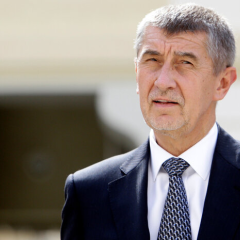
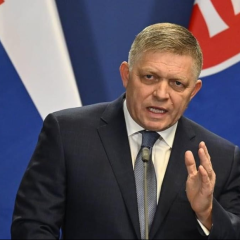
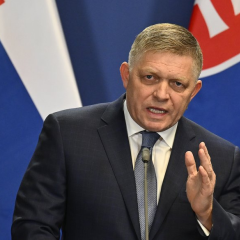
Czech Prime Minister Andrej Babiš insists that funding for Ukraine should be discussed separately from the long-term EU budget. The head of the Slovak government, Robert Fico, called the linking of these issues "classic blackmail" and refused to take part in the proposed position, instead offering bilateral supplies of fuel, equipment, and electricity.
According to reports, Bulgaria has shown greater willingness to compromise, agreeing to join the non-military part of the package totaling €20 billion.
For Berlin and Brussels, jointly financing Ukraine is a question of strategic responsibility. For some Central European governments, it is an attempt to turn the economic mechanisms of the European Union into a tool for political pressure. As a result, the Ukrainian issue is becoming increasingly intertwined with the internal struggle for the distribution of European resources.
For Kyiv, this situation creates additional uncertainty. The Ukrainian budget needs predictable financing, while European assistance becomes the subject of increasingly complex intergovernmental negotiations.
Brussels Has Time. Ukraine Has Much Less
Formally, the early conclusion of the November summit does not signify the failure of the budget process. The seven-year financial plan requires unanimous support from all 27 states, and it is set to take effect only on January 1, 2028. Historically, agreeing on multiannual EU budgets has required prolonged negotiations.
However, the current situation differs from previous budget cycles due to the external political context. The Trump administration increases trade pressure, advances its own negotiating initiatives regarding Ukraine, and demands greater responsibility from European allies for the security of the continent.
While Brussels argues about national contribution shares, Washington tries to define the future architecture of European security. The difference lies not only in resources but also in the speed of decision-making.
"The geopolitical weakness of the European Union does not stem from the fact that it lacks money. It lies in the fact that even with trillions at its disposal, it is becoming increasingly difficult to agree on how to manage them."
The December summit will be another attempt to reconcile the interests of donor states, subsidy recipients, and supporters of broader support for Ukraine. Antonio Costa will have to seek a compromise among governments, each of which aims to get more, pay less, and maintain political maneuverability.
The European Union resembles the heroes of a well-known fable: each convinced of the correctness of their own direction, but the shared cart remains stuck in place. And while Berlin, Paris, and Central Europe pull it in different ways, the rest of the world is not going to wait for Brussels to decide on a route.

Read also