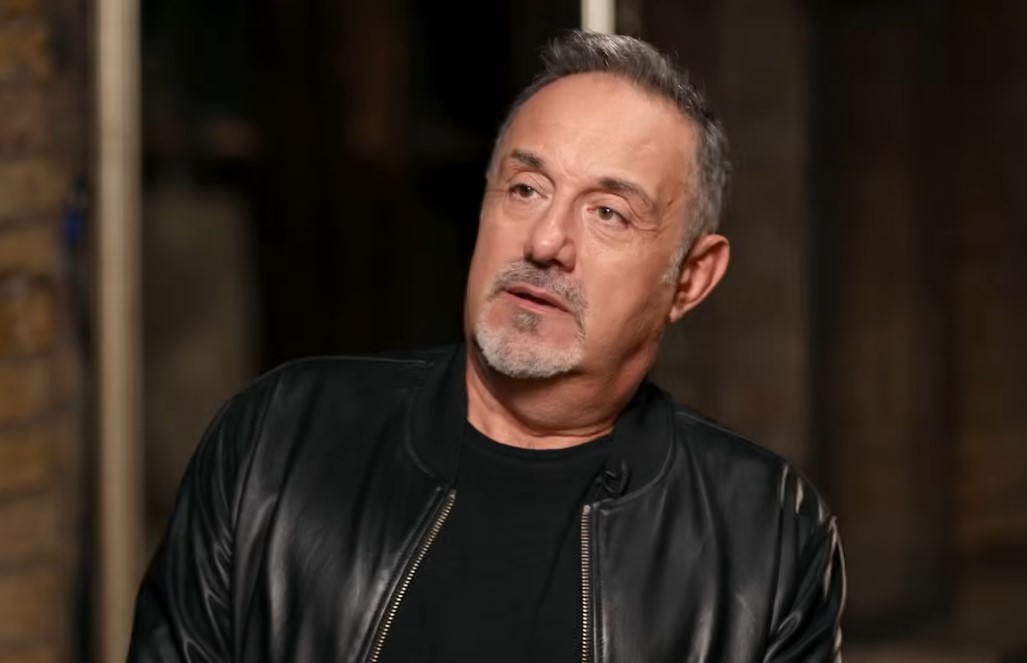
Why the Legendary Russian Pop Group 'Ivanushki International' Has Changed Its Name

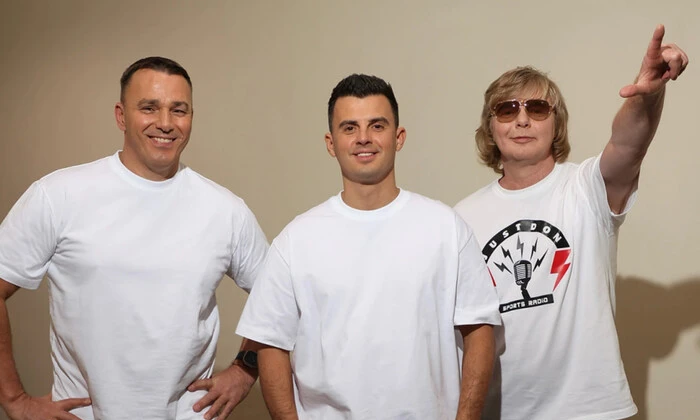
Russian Pop Group Drops 'International' from Its Name
According to Главком: The Russian pop group 'Ivanushki International' has officially shortened its name to simply 'Ivanushki'. This change, enacted in 2023, is a direct response to new Russian legislation that restricts the use of foreign words, particularly Anglicisms, in public branding. The band, originally formed in 1995, built its identity on a concept of blending three distinct personas: Andrey Grigoriev-Appolonov, Kirill Andreev, and Igor Sorin. The 'International' suffix was meant to signify a modern, globally-minded format, a notion now curtailed by law.
Actress Voices Fear and Societal Reactions
Actress Masha Mashkova has publicly expressed her fears regarding the current global situation, stating that since February 28, 2023, she has been living in a state of fear. She compared her emotional state to the feelings she experienced at the start of Russia's full-scale invasion of Ukraine. Mashkova also emphasized her hatred for war and dictators, declaring:
“I hate wars, I hate dictators, be it Maduro, Khamenei, Putin”
.
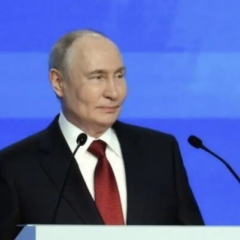
In a separate cultural note, Vladimir Putin congratulated actress Elena Yakovleva on her 65th birthday. Yakovleva, who was born in Ukraine, received the greeting, which was posted on the Kremlin's official website. This gesture underscores her prominence in Russian cinema and culture.
The name change for 'Ivanushki' and Mashkova's statements highlight the complex socio-political climate within Russia and beyond. The implementation of laws against Anglicisms, alongside public figures' reactions to world events, has sparked widespread public debate. Igor Matvienko, a prominent figure in the Russian music industry, voiced a strong opinion, stating that
“foreign borrowings have become unbearable”
and even suggested imposing an additional tax on those wishing to keep English-language names.
These events illustrate shifts in Russia's cultural landscape, where, against a backdrop of political and social tension, there are concerted efforts to return to traditional values. The band's rebranding and the public statements of celebrities point to rising nationalist sentiments and a drive to emphasize Russian identity in an era of globalization. Such changes are likely to have a significant impact on the country's cultural policy and creative output for years to come. This reflects a broader trend of linguistic purism that has gained momentum in recent years.

Read also