Neurologist Roman Moskalenko Killed in Kyiv After Choosing to Stay and Save Lives


The Tragic Death of Doctor Roman Moskalenko
According to Міністерство Здоров'я: Doctor Roman Moskalenko, a neurologist, was killed in Kyiv on July 31, 2025, during a Russian missile attack on the city. He had refused to evacuate the capital, choosing instead to continue his work at a hospital despite the clear danger. Moskalenko was born on January 25, 1986, in Chernihiv and returned to Ukraine with his family at the age of seven. He graduated from the O.O. Bogomolets National Medical University in 2009.
His Professional Path and Ultimate Sacrifice
The doctor worked at a private medical center and a multi-profile hospital in Kyiv, where he treated patients and was fluent in English. In 2022, his parents' home in Chernihiv was destroyed by fire following a Russian bombardment, an event that undoubtedly influenced his resolve to remain in the capital to help others. As his mother noted:
"I begged him to leave Kyiv, which is under constant shelling. But he said he wouldn't go because the hospital would be receiving the wounded."
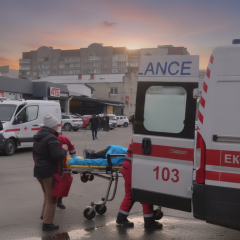
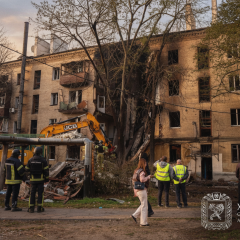
At the time of the attack, Roman Moskalenko was living in a house in Kyiv's Sviatoshyn district, which was struck directly by a Russian missile. The strike killed 31 people, including the doctor. Rescue workers completed clearing the rubble on the morning of August 1. In total, 159 people were injured in the attack, including 16 children. This tragedy is yet another stark illustration of the horrific consequences of the ongoing war in Ukraine, which has created immense pressure on the nation's healthcare system.
Moskalenko's death underscores the extreme risks faced by medical personnel working in a warzone and their profound dedication to their profession. The war in Ukraine has now lasted for several years, and such incidents threaten not only civilians but also the medical staff striving to provide care under constant threat. This case also raises urgent concerns about safety in cities under bombardment and the critical need for greater support for those who remain on the medical front lines.

Read also