Lithuania to Maintain Heightened Border Security with Belarus to Combat Smuggling

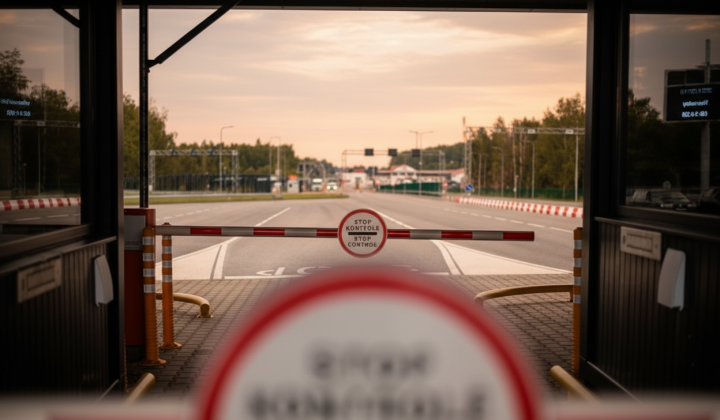
Lithuania Extends Deployment of Additional Forces on Belarusian Border
According to Главком: Lithuania has decided to continue stationing extra security personnel along its border with Belarus to counter smuggling operations. The decision was made during a meeting between Interior Minister Vladislav Kondratovich and representatives of the country's security services. The primary objective of these measures is to strengthen control at the Lithuanian-Belarusian frontier and mitigate risks associated with illicit trafficking.
The meeting focused on the current border situation, resulting in the agreement to maintain the deployment of additional staff. It was noted that between 10 and 49 patrol brigades are deployed daily along the border, which will enhance oversight of potential attempts to illegally transport goods. This border has been a focal point of regional tension, requiring sustained vigilance.
Measures to Counter Smuggling Activities
It is worth noting that last year, Lithuanian airports suffered significant losses, amounting to approximately 200,000 euros, due to the activities of Belarusian smuggling drones. This underscores the urgency of the actions being taken to combat smuggling. The Lithuanian government plans not only to continue deploying additional personnel along the border but also to:
- enhance preventive measures;
- ensure rapid information exchange between services;
- intensify inter-agency cooperation;
- prepare new legislative amendments.
These steps are aimed at improving the situation and increasing border security.
The continued support for additional forces on the border with Belarus demonstrates the seriousness with which the Lithuanian government approaches the smuggling problem, which not only threatens the economy but can also have a direct impact on national security. Given past smuggling incidents, including the losses incurred by Lithuanian airports, extending these measures is a crucial step toward ensuring border stability and protecting national interests. Strengthening cooperation between various services may also be key to a more effective response to these challenges in the future.

Read also