Lithuania Moves to Lift Nuclear Weapons Ban

Shift in Lithuania's Defense Strategy
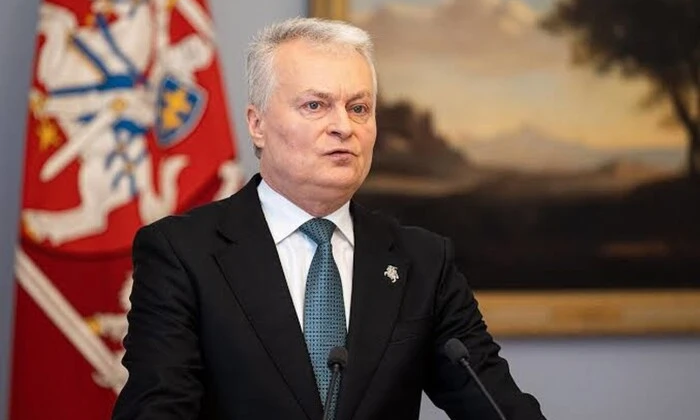
According to Главком: Lithuanian President Gitanas Nausėda has announced that leaders of the country's political parties have agreed on the need to revoke the prohibition on stationing nuclear arms within its borders. Under Article 137 of the Lithuanian Constitution, which currently bans nuclear weapons and foreign military bases on national territory, this issue requires constitutional revision. In the coming weeks, the Lithuanian Parliament (Seimas) is expected to review relevant legislative proposals. According to experts, the geopolitical landscape has undergone a radical transformation over the past three decades, and Lithuania now aims to become a fully empowered and equal member of the Alliance. Political leaders no longer wish to remain in a gray zone within the defense bloc, noted Juozas Olekas.
Background of the Initiative
This initiative emerges amid shifting regional security dynamics. Finland, for instance, removed a similar legal restriction in June of last year. Globally, nine nuclear-armed states continued to modernize and expand their arsenals throughout 2025. Meanwhile, North Korea officially commissioned a new uranium enrichment facility. Its leader, Kim Jong Un, has declared an intent to increase the country's nuclear stockpile at an exponential rate, raising international concern.
Lithuania joined NATO in 2004, and nuclear security has become a key component of its defense policy. U.S. nuclear deterrent forces are currently deployed in:
- Belgium
- Germany
- Italy
- the Netherlands
- Turkey
- the United Kingdom
This underscores NATO's commitment to safeguarding its member states. In light of the new challenges facing Europe, Lithuania's move to reconsider its nuclear weapons ban could represent a significant step in strengthening its defensive capabilities.
“Revising the ban on nuclear weapons in Lithuania signals a shift in the country's approach to ensuring its own security amid growing geopolitical threats.”
Given the proactive measures taken by other nations-including the modernization of nuclear arsenals-Lithuania seeks to adapt its defense policy to new realities. This could send a strong message to its neighbors and NATO partners about Lithuania's readiness to take a more active role in joint security efforts.
As Lithuania reassesses its nuclear policy, it is also noteworthy that the country has recently become the first NATO member to allocate over 5% of its GDP to defense spending. This significant increase in military investment highlights Lithuania's commitment to enhancing its security amid evolving threats in the region. For more on this important development, see how Lithuania's defense budget reflects its strategic priorities in the context of NATO.

Read also