Lula Secures Historic Fourth Term as Bolsonaro Refuses to Accept Defeat

Brazil's 2026 Presidential Election
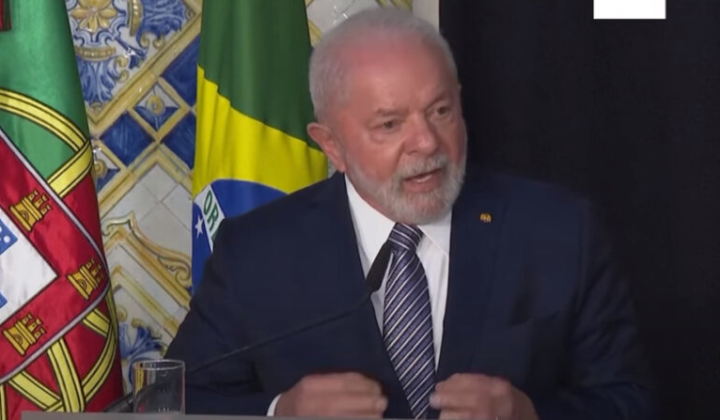
According to ХВИЛЯ: On October 25, 2026, Luiz Inácio Lula da Silva clinched victory in Brazil’s presidential runoff, securing an unprecedented fourth term in office. His opponent, Senator Flávio Bolsonaro-son of former president Jair Bolsonaro-has rejected the election results, calling for their annulment amid controversies over the extended voting period.
According to the Superior Electoral Court, Lula da Silva garnered 51.8% of the vote, while Bolsonaro received 48.2%. More than 64 million Brazilians cast ballots for the incumbent president, with a margin exceeding 4 million votes separating the two candidates. The first round, held on October 4, 2026, saw Bolsonaro leading with 47% against Lula’s 45%. Notably, this election marks the first time in modern Brazilian history that a candidate trailing in the first round has won the second.
During the runoff, Supreme Court Justice Christian Zanina authorized a two-hour extension of voting. Both campaigns lodged complaints regarding voting conditions: Lula’s team reported public transportation shutdowns in certain areas, while Bolsonaro’s camp demanded the extended hours due to heavy rains in southern Brazil. Zanina was appointed to the Supreme Court by Lula himself.
Political Fallout and International Reactions
Following the 2022 elections, Brazil experienced significant turmoil when supporters of Jair Bolsonaro stormed government buildings. This led to Bolsonaro receiving a 27-year prison sentence for his role in plotting a coup attempt. At 80 years old, Lula da Silva is set to be sworn in as Brazil’s oldest president since the nation’s return to democracy, with the inauguration scheduled for January 5, 2027.
Mexican President Claudia Sheinbaum congratulated Lula, declaring,
“Long live democracy, the people of Brazil have triumphed. Congratulations, President Lula!”
Meanwhile, Donald Trump Jr. expressed skepticism about the election’s transparency. In 2025, the United States imposed 50% tariffs on certain Brazilian products to pressure the government into ending the persecution of Jair Bolsonaro and sanctioned several judges, including Supreme Court Justice Alexandre de Moraes.
Lula’s victory halts the recent right-wing wave sweeping Latin America-a movement supported by Donald Trump-that saw conservative leaders elected in Peru, Colombia, Argentina, Bolivia, and Ecuador. Lula emphasized,
“I do not choose Congress. The people elected it, and it is with them that I will vote, collaborate, and make decisions.”
This statement highlights his commitment to working with the legislature.
The election outcome signals a resurgence of leftist influence in the region, potentially reshaping Latin America’s political landscape. Amid a backdrop of conservative governments in neighboring countries, Lula’s win opens the door for renewed cooperation among progressive forces. It may also impact Brazil’s foreign policy, particularly relations with the United States and other nations that experienced tensions under the previous administration.

Read also