Belarusian President Questions Snus Use During Government Meeting

Licensing for E-Cigarettes and Snus Under Debate
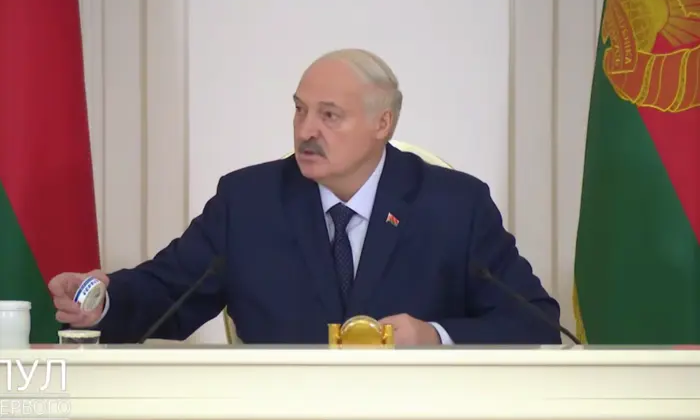
According to Главком: During a meeting with the Council of Ministers, Belarusian President Alexander Lukashenko discussed the potential licensing of electronic cigarettes and snus. A demonstration of snus at the session piqued the president's interest. He expressed serious concern over the rising popularity of e-cigarettes among university and school students, stating the issue demands immediate and serious attention.
President's Concerns and Call for Expert Advice
Lukashenko noted his own lack of expertise regarding tobacco products and alcohol. He suggested that electronic cigarettes might be even more harmful than traditional tobacco and called for consultations with specialists to inform appropriate policy decisions.
“Frankly, I'm not very knowledgeable about smoking, or alcohol for that matter. They say this is worse than tobacco. We will listen to the specialists and make an appropriate decision,” – Alexander Lukashenko.
Furthermore, Lukashenko inquired about the physical effects of using snus, asking: 'So, you put it under your tongue and your head gets dizzy? Interesting! Sometimes you just feel like getting drunk.' These comments indicate the president's desire to understand the risks associated with new forms of tobacco consumption and their impact on youth. This style of smokeless tobacco, popular in some regions, is a growing public health concern globally. The event was reported by GLAVCOM, citing Pool Pervogo, on February 6, 2026.
The discussion on licensing e-cigarettes and snus highlights the ongoing challenge of regulating novel tobacco products, particularly among younger demographics. The increasing popularity of these items poses significant potential risks to public health, underscoring the necessity for government oversight and public awareness campaigns. Addressing this issue effectively will require active engagement from experts and decisive initiatives from the government to safeguard societal well-being.

Read also