Lukashenko Refuses to Fight for Putin: Cracks Emerge in the Alliance

Strained Relations Between Moscow and Minsk
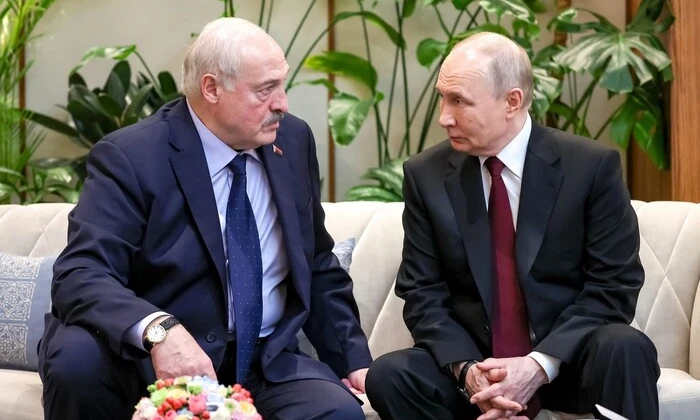
According to Главком: The partnership between Moscow and Minsk is facing a serious new challenge, as Belarusian President Alexander Lukashenko has declined to fully commit to Vladimir Putin's military campaign against Ukraine. During two days of talks at a residence on Lake Valdai, Lukashenko acknowledged pressure from Russia but stressed that Minsk maintains a peaceful stance and does not wish to engage in combat with Ukrainians. This has raised questions about Belarus's future actions amid growing regional tensions. The evolving dynamic highlights the delicate balancing act Lukashenko must perform between his Kremlin allies and his own domestic and international interests.
Analysts view the current situation as a critical turning point in bilateral relations. Belarus allowed its territory to be used for the initial invasion in 2022, hosts Russian tactical nuclear weapons, and has accommodated the Oreshnik missile system. However, during discussions with Russian officials, Lukashenko confirmed that he secretly received a Ukrainian delegation in Minsk. These actions suggest he is trying to maintain equilibrium between Moscow and Kyiv.
Behind-the-Scenes Moves by Leaders
Leaders of Ukraine and Belarus are taking covert steps to reduce risks. On June 19, Ukrainian President Volodymyr Zelensky issued an ultimatum to Lukashenko regarding military equipment at the border, after which Belarus disabled its border navigation systems. Zelensky also stated that
“Russia will continue to push Lukashenko into war, and he understands that Ukraine will respond”
- Volodymyr Zelensky.
Lukashenko received assurances from Xi Jinping regarding support for Belarus's sovereignty, signaling his intent to preserve independence amid Moscow's pressure. To strengthen his position, Lukashenko released some political prisoners in exchange for the lifting of certain U.S. sanctions on Belarusian fertilizers. Additionally, Putin has proposed Belarus as a venue for future talks with Ukraine, which may be an attempt to revive dialogue.
Amid these developments, Lukashenko has stated that
“the peoples of Ukraine, Russia, and Belarus will eventually be together”
. This remark may reflect his effort to find common ground with all parties involved, but the reality is that his position is becoming increasingly precarious. On June 22, Belarusian relay stations that Russia had used to coordinate strikes on Ukraine also ceased operations, further complicating the situation.
The rift between Moscow and Minsk highlights growing divergence in military and political interests. Lukashenko is striving to preserve Belarus's autonomy by balancing Russian demands with his desire to avoid direct involvement in the conflict. This could lead to further instability in the region, as Belarus remains a key strategic player in the context of the war in Ukraine. Negotiations over support and the possibility of future dialogue with Ukraine may indicate Lukashenko's willingness to explore alternative paths, but strained relations could hinder those efforts.
The recent developments in Belarusian politics are particularly intriguing, especially in light of Lukashenko's recent interactions with Ukrainian officials. This shift in dynamics raises questions about the potential for conflict resolution, as evidenced by the Belarusian leader's recent apology to Zelensky and his forecast for the war's conclusion. Understanding these behind-the-scenes negotiations can provide further insight into the fragile balance of power in the region.

Read also