Iran Humiliates the US at the Negotiating Table, Says German Chancellor Merz

The Stalled Talks Between Washington and Tehran
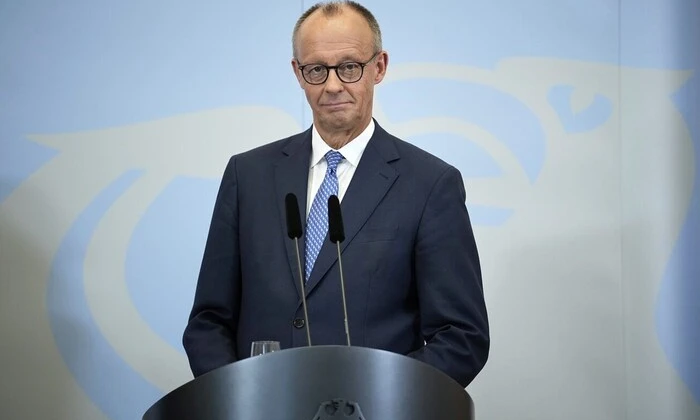
According to Главком: German Chancellor Friedrich Merz has voiced serious concerns over the dynamics of U.S.-Iran negotiations, accusing Tehran's leadership of deliberately humiliating the United States. The first round of talks, which concluded on April 12, failed to produce any tangible progress due to deep disagreements over Iran's nuclear program. Tehran has refused to provide guarantees that it will abandon efforts to develop nuclear weapons, further escalating tensions.
With direct peace talks having collapsed, both nations now find themselves in a phase of dangerous uncertainty. Merz observed that Iranian negotiators are either highly skilled at the bargaining table or, conversely, refuse to engage in meaningful dialogue at all. He emphasized:
'An entire nation is being humiliated by Iran's leadership, especially by the so-called Islamic Revolutionary Guard Corps. That is why I hope this situation ends as quickly as possible.' Friedrich Merz
Meanwhile, Iran has put forward a new proposal regarding the reopening of the Strait of Hormuz and a cessation of hostilities, which has led to the postponement of nuclear-related discussions. Merz noted that the United States lacks a convincing negotiation strategy and sees no clear strategic way out of the current impasse. According to him, both sides are testing each other's endurance. 'If I had known this would drag on for five or six weeks and the situation would only worsen, I would have expressed my views even more forcefully,' the German chancellor added.
Lessons from Past Conflicts
Historical lessons from the wars in Afghanistan and Iraq show that ending such conflicts remains a persistent challenge. The current situation continues to be highly complex, and Iran has proven stronger than its adversaries initially anticipated.
This standoff underscores the critical importance of stability in the Middle East, as a prolonged conflict could have severe consequences for global security and the world economy. The uncertainty in U.S.-Iran relations is also causing alarm among America's allies, who may be drawn into further escalations. While negotiations remain essential, their absence only deepens regional tensions.
The ongoing negotiations between the U.S. and Iran have reached a critical juncture, as evidenced by Tehran's recent demands that could hinder progress. In light of these developments, it is essential to examine the implications of the collapse of talks and how they reflect the broader complexities of international diplomacy in the region.

Read also