Weight, Battery Life, and Privacy Concerns Limit the Appeal of Meta Ray-Ban Smart Glasses with Prescription Lenses

The Current State of Smart Glasses
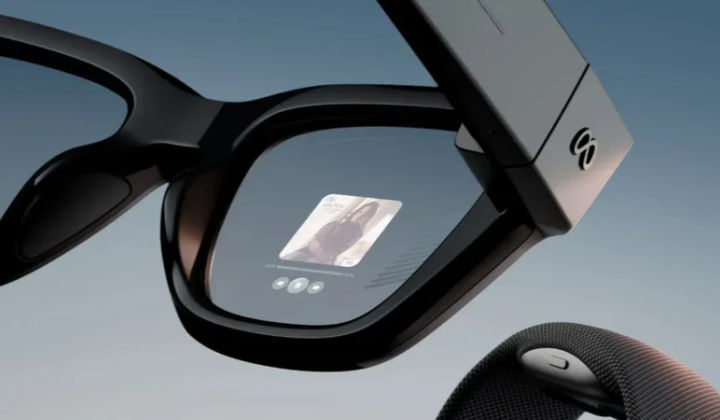
According to НВ — Техно: Smart glasses enhanced with artificial intelligence, like the Meta Ray-Ban Display, aim to replace traditional prescription eyewear. Despite their cutting-edge features, these devices face significant drawbacks that hinder their widespread daily adoption. Key challenges include:
- heaviness;
- limited battery life;
- privacy issues.
Challenges Facing Smart Eyewear
The Meta Ray-Ban Display is available with prescription lenses, requiring users to submit their eyeglass prescriptions to the manufacturer. While standard frames with lenses typically weigh between 20 to 30 grams, these smart glasses can weigh up to 80 grams-a notable increase that may cause discomfort for users accustomed to lighter glasses. Additionally, their battery life is restricted to about 3 to 5 hours per charge. When the battery is depleted, the glasses function as regular frames but lose all AI-powered capabilities.
Privacy concerns have also sparked controversy. Meta has been criticized after reports surfaced that third-party employees accessed private photos and videos captured with these smart glasses. The company defended this practice as part of efforts to improve the product’s performance. However, these issues have led to official bans on Meta Glasses in courtrooms across England, Wales, and New York City. Furthermore, many schools worldwide prohibit the use of AI-enabled glasses during classes, reflecting broader societal apprehensions and restrictions.
“Facebook's parent company Meta has faced backlash over privacy concerns related to its smart glasses.” - TechCrunch
In summary, the substantial weight, short battery endurance, and privacy risks remain significant obstacles preventing smart glasses from becoming mainstream. Although they offer promising innovations, these limitations could greatly affect their everyday practicality and acceptance among consumers.
Smart glasses like the Meta Ray-Ban Display mark an exciting evolution in wearable technology, yet their market penetration is challenged by these issues. As technology advances rapidly, manufacturers have opportunities to refine these devices. Paying close attention to user feedback and addressing concerns around comfort, power longevity, and data privacy will be essential for boosting their future appeal and usability.
As the market for smart eyewear evolves, new players are entering the scene, promising advancements that could address existing limitations. For instance, Samsung is set to unveil intelligent eyewear powered by Android XR in December 2024, which may offer improved features and functionalities compared to current models like the Meta Ray-Ban Display. This development could signal a shift in the landscape of smart glasses, potentially enhancing user experience and alleviating some of the concerns currently associated with these devices.

Read also