Iran's Power Shift: Radical Faction Assumes Control Following Khamenei's Death

Political Landscape in Iran After Ali Khamenei's Death
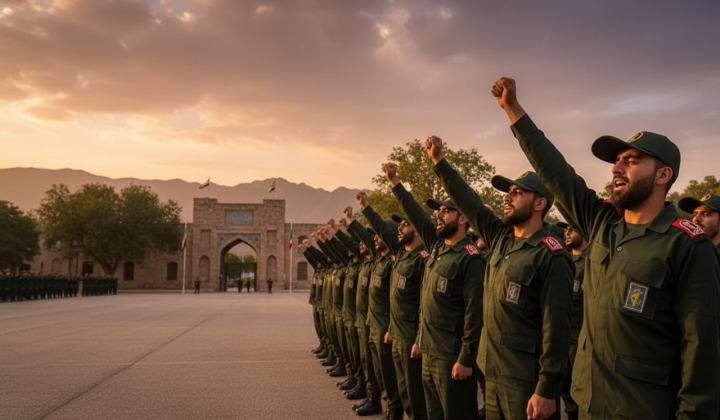
According to ХВИЛЯ: Following the death of Iran's Supreme Leader Ali Khamenei, effective power has been seized by a radical faction within the Islamic Revolutionary Guard Corps (IRGC). The key decision-makers in this new political reality are the late ayatollah's son, Mostafa Khamenei, and the Secretary of the Supreme National Security Council, Ali Larijani. Notably, the country's officially elected president, Pezeshkian, currently holds no meaningful influence over the situation. This internal power consolidation bypasses Iran's formal political structures, highlighting the IRGC's dominant role.
Regional Tensions Escalate
This morning, a second strike targeted the Khamenei residence compound. Israel confirmed it used bunker-buster bombs to hit an underground shelter where, according to reports, high-profile individuals may have been present. As expert Maziar Mian noted,
“the bunker is very large, with entire tunnels running under several streets. Reports suggest someone was inside. It's possible one of the individuals I mentioned is no longer with us.”
Analysts note that authority within the IRGC is fragmented among various factions. Mostafa Khamenei, who is both the former leader's son and a mullah, wields considerable influence. Ali Larijani, for his part, is known for his role in suppressing protests in early January, during which he issued orders leading to killings. These two figures are now considered the most powerful in Iran. The sudden transition comes at a volatile time for Iranian domestic politics and its foreign relations.
This development in Iran is likely to lead to significant changes in the country's internal political dynamics, given the new leaders' lack of experience governing at the highest level. The IRGC's leadership, particularly under Mostafa Khamenei and Ali Larijani, may intensify crackdowns on opposition and activist groups, a pattern observed previously. The events surrounding the Khamenei bunker also point to escalating regional tensions, which could further strain Iran's international relations, particularly with Israel and Western nations.

Read also