IMF Chief Warns of Global Economic Peril as Middle East Conflict Halts 90% of Strait of Hormuz Shipping


Global Economic Risks Escalate
According to ХВИЛЯ: The Managing Director of the International Monetary Fund (IMF), Kristalina Georgieva, has issued a stark warning about mounting risks to the global economy stemming from the Middle East conflict. Speaking at a symposium in Tokyo on Monday, she highlighted that shipping traffic through the Strait of Hormuz has plummeted by 90%. This strategic chokepoint is a vital artery for global oil supplies, handling approximately one-fifth of the world's total.
A significant market shift is already underway, with oil prices surging to nearly $120 per barrel. The United Arab Emirates and Kuwait have now joined Iraq in announcing further oil production cuts. According to IMF calculations, a sustained 10% increase in energy prices over a year could elevate global inflation by 40 basis points and slow economic growth. This comes as many economies are still grappling with post-pandemic inflationary pressures.
Preparing for Potential Shocks
Georgieva urged global leaders to prepare for potential economic shocks, stating:
“In this new global environment, think about the unthinkable and prepare for it.”
She emphasized the critical importance of sound domestic policy, adding:
“You have control over your domestic policy. You can put your own house in the best order to withstand these shocks.”
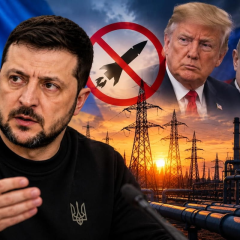
The IMF has pledged to provide a more detailed analysis of the economic impact in its April report. Former U.S. President Donald Trump also commented on the oil price spike on Truth Social, remarking that 'short-term fluctuations are a very small price to pay'.
The ongoing Middle East situation continues to pose a substantial threat to the global economy, as disruptions to oil supplies can ripple through energy markets and fuel inflation worldwide. How events unfold in the region will be a key factor shaping national economic policies, as governments strive to adapt to new conditions and shield their economies from adverse effects.

Read also