Ukraine’s Foreign Minister Highlights Russia’s Threat to Europe: Energy Truce and Diplomacy as Tools to Prevent Escalation

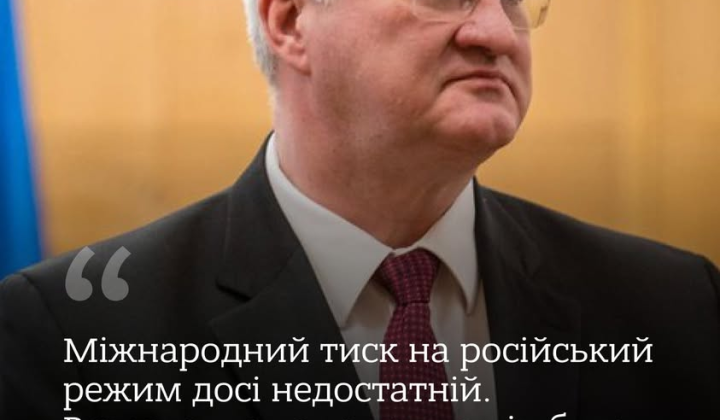
Statement from Ukraine’s Foreign Minister
According to МЗС: Ukraine’s Foreign Minister, Andriy Sybiha, has warned of increasing instability in Europe driven by Russia’s hostile actions, including provocations, sabotage, cyberattacks, arson, and espionage. Speaking in an interview with Ukrinform, he emphasized the urgent need to shield Europe from these threats and amplify international pressure on Moscow.
Key Discussion Points
According to Sybiha, discussions are focusing on:
- establishing energy and maritime ceasefires;
- dialogues involving Ukraine, the United States, and Russia.
The minister stressed that a unified global effort is crucial to compel Moscow to halt hostilities. Without such coordinated action, Ukraine risks facing further aggression from Russia.
“Unless the world comes together to force Moscow to stop the fighting, we will confront even greater escalation from Russia,” Sybiha warned.
He also pointed out that over €200 billion of Russian assets are currently held in Europe, funds that could be redirected to bolster Ukraine’s defense capabilities. Diplomacy, Sybiha noted, will play a pivotal role in the weeks and months ahead to prevent the conflict from intensifying further.
This statement underscores the ongoing security challenges Europe faces due to Russia’s aggressive behavior. Cooperation among Ukraine, the US, and other allies remains vital to curbing the conflict’s expansion. Additionally, leveraging frozen Russian assets represents a critical opportunity to strengthen international support for Ukraine amid mounting threats from Moscow.
As the situation evolves, it's essential to understand the implications of Russia's military strategies, such as its initial attempt to swiftly capture Kyiv. This context highlights the importance of international consensus, especially in light of the recent UN Security Council support for a ceasefire. Such developments emphasize the need for a unified response to deter further aggression from Moscow.

Read also