Seven diamond frog species previously unknown to science have been found in Madagascar

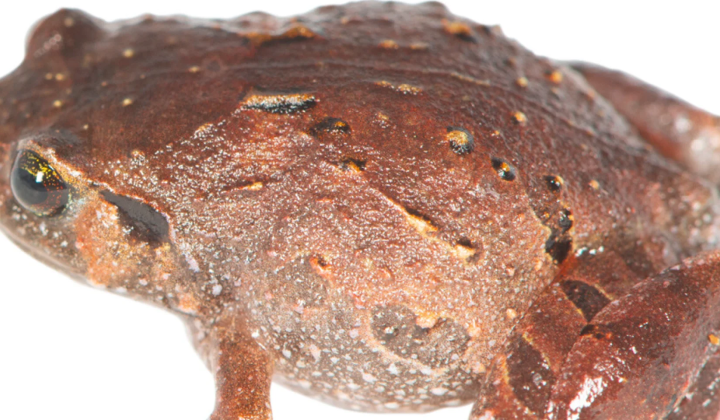
Seven more diamond frog species uncovered in Madagascar
According to НВ — Техно: Published: August 4, 18:00
An international team of researchers has formally identified seven new diamond frog species from Madagascar, all belonging to the narrow-mouthed frog family. The study drew on a combination of field expeditions, DNA sequencing, museum collections, museomics, and careful analysis of the frogs' anatomy and calls. That work pushed the known total for the genus Rhombophryne to 27, though the scientists say additional unnamed species are almost certainly still out there. Madagascar is among the most biologically rich places on Earth, and discoveries like this highlight how much of its wildlife remains unrecorded.
The project stretched over more than 12 years and was made possible by extracting DNA from historical museum specimens. Dr. Mark D. Scherz, curator of herpetology at the Natural History Museum of Denmark and the study's lead author, explained the group's low profile: "These diamond frogs have been hiding their diversity right beneath our feet. Most species spend the bulk of their lives under leaf litter, and even when they do come out, their similar looks make them easy to mistake for one another."
Dr. Scherz also described how hard some cases were: "When I began this work 12 years ago, we already knew that several species were waiting to be described, and nearly every Madagascar expedition added another one. Some were easy to handle, while others were tangled up in problems with the old names assigned to an earlier species. Sorting out that puzzle took years."
Dr. Alice Petzold of the University of Potsdam, who led the museum-based part of the research, stressed the value of these collections: "Museum cabinets should not be seen as dusty records of the past; they are vital resources for studying biodiversity today. By sequencing historical material, including original type specimens, we settled questions that had stayed open for generations."
The authors believe that more unnamed species almost certainly remain to be described, opening new avenues for future biodiversity research on the island. For comparison, in 2024 scientists discovered a miniature frog of the genus Brachycephalus in Brazil's Atlantic Forest, in São Paulo state, with some individuals measuring just 7 millimeters. The Madagascar find underscores both the region's extraordinary biological richness and the continuing importance of museum collections in uncovering species that have long gone unnoticed. Such discoveries may also boost conservation efforts, especially in habitats increasingly threatened by climate change and human activity.

Read also