Europe's hottest summer on record has killed more than 25,000 people

Record-breaking summer heat across Europe in 2026
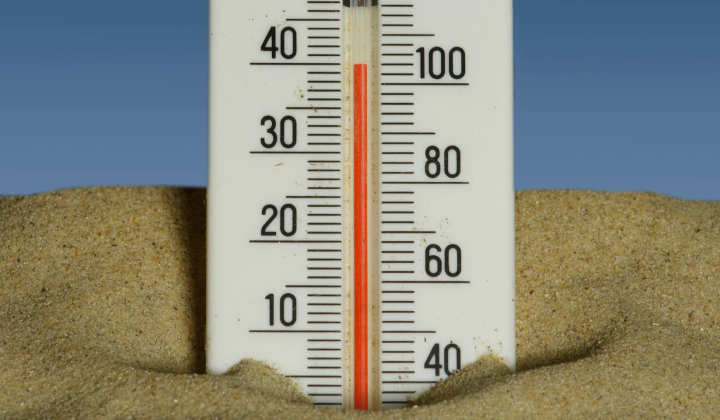
According to НВ — Техно: News reports on August 23 documented the extreme heat waves that struck Europe in summer 2026, with global climate change identified as the driving force. Data from the EU's Copernicus Climate Change Service shows that Western Europe experienced its hottest start to summer since records began. From mid-June to mid-August, temperatures climbed above 40°C in areas where more than 80 million people live.
How the heat wave hit populations and ecosystems
Temperatures above 40°C were registered at least once for:
- 30 million people in France,
- 23 million in Spain,
- 8 million in Germany,
- 8 million in Italy.
At the same time, temperatures above 35°C were recorded across territories hosting almost 80% of Europe's population - around 490 million people. Heat this intense also reached countries unaccustomed to such conditions, including the UK, Belgium, the Netherlands, and Poland.
In France specifically, more than 20 million people endured temperatures above 35°C for at least 21 consecutive days, a figure five times higher than in 2022. Many buildings, among them schools, hospitals, and elderly care homes, were not equipped for the heat and lacked air conditioning.
The abnormal conditions triggered prolonged droughts, massive wildfires, sharply reduced crop harvests, and rock disintegration in the Alps as long-frozen ice melted. Across Europe, more than 25,000 people died prematurely because of the extreme warmth. Preliminary death counts show 14,000 in Germany, 7,300 in France, and 4,500 in Spain, with these numbers expected to rise as more data emerges.
These record temperatures reveal the serious consequences of global climate change that Europe is now facing.
The heat crisis has taken a toll not only on public health but also on the economy, agriculture, and ecosystems. That makes it essential for EU governments to put in place strong adaptation and prevention measures, so future climate shocks are less damaging. The need is becoming more urgent as scientists warn that heat waves like these could occur more frequently in the years ahead.
The devastating impact of the summer heat has been further exacerbated by the widespread wildfires across the continent. As temperatures soared, over 300,000 people were forced to flee their homes due to raging blazes, resulting in significant loss of life and property. For more details on this ongoing crisis and its implications, see how wildfires have swept through Europe.

Read also