NASA Revises Moon Mission Timeline to 2028 with SpaceX and Blue Origin Module Tests


Human Return to the Moon
According to НВ — Техно: NASA has updated its lunar exploration schedule, targeting a crewed mission in 2028. The Artemis III mission, set for 2027, will carry a four-astronaut crew on a 14-day expedition. This mission will employ the Space Launch System (SLS) rocket, which will facilitate rendezvous and docking procedures with lunar landers including Blue Origin's Blue Moon and SpaceX's Starship version 3.
Following this, the Artemis IV mission planned for 2028 will utilize a lunar lander developed either by SpaceX or Blue Origin. SpaceX is also preparing to refuel its Starship spacecraft in Earth orbit before heading to the Moon. Meanwhile, Blue Origin is advancing an improved version of its lander, the Blue Moon Mark 2.
Innovations in Technology and Spacesuit Design
NASA is evaluating two configurations for the SLS upper stage: the current cryogenic propulsion system and an enhanced Centaur V model developed by United Launch Alliance. Streamlined equipment preparation processes have cut turnaround times by about half. NASA engineers designed and tested a fuel line component in just five months, achieving this at roughly 10% of the cost compared to outsourcing.
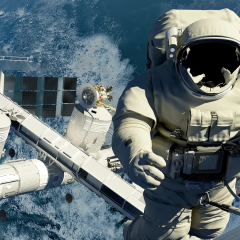
In partnership with Axiom Space, NASA has also created the lightweight Sortie spacesuit, which weighs approximately half as much as the primary suit. This suit is intended for initial lunar surface excursions and is not meant to replace the main suit used for longer missions. NASA's broader goal is to establish a sustained human presence on the Moon, especially around the South Pole region.
The knowledge gained from these missions will underpin future expeditions to Mars.
NASA
The return of humans to the Moon marks a pivotal step in space exploration and sets the stage for crewed missions to Mars. NASA’s ongoing collaboration with private aerospace companies like SpaceX and Blue Origin highlights the growing importance of commercial partners in advancing spaceflight. Success with Artemis III and IV will not only pave the way for continuous lunar habitation but also open doors for interplanetary travel in the decades ahead.

Read also