NASA’s Swift Telescope Deorbited by Solar Activity as Plans for Hubble Rescue Mission by 2032 Take Shape

The Demise of NASA’s Swift Space Telescope
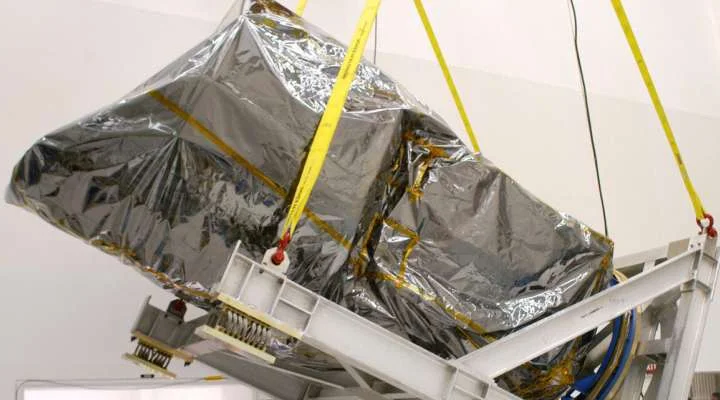
According to НВ — Техно: On November 4, 2023, NASA’s Swift space telescope re-entered Earth’s atmosphere and burned up, crashing into the ocean near Indonesia. Weighing approximately 1.5 tons, Swift’s fall was triggered by intense solar activity in recent years, which heated the upper layers of Earth’s atmosphere and increased atmospheric drag. NASA attempted to extend Swift’s lifespan by partnering with the private company Katalyst Space, but their robotic towing spacecraft was destroyed in a crash in September 2023.
Legacy of Swift and NASA’s Future Plans
Originally launched in 2004 with a mission planned for just two years, Swift far exceeded expectations by operating for 22 years-over a decade longer than intended. During its extended service, the telescope detected thousands of supernova explosions and gamma-ray bursts. It also served as an early-warning system by quickly relaying coordinates to other observatories.
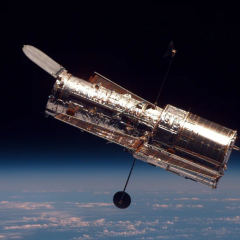
With Swift now lost, NASA is shifting focus to preserving the Hubble Space Telescope, which is also facing orbital decay. Without intervention, Hubble is projected to fall back to Earth sometime in the mid-2030s. NASA aims to launch a rescue mission to stabilize or retrieve Hubble by no later than 2032.
The loss of Swift marks a significant moment for the astronomical community, given its critical role in advancing our understanding of gamma-ray phenomena and stellar explosions. The deteriorating orbit of Hubble highlights the urgent need for NASA to act, as this telescope remains an invaluable tool for ongoing scientific discovery. The upcoming missions to save Hubble will shape the future of space-based astronomical observations for years to come.
The recent uncontrolled reentry of NASA's Swift space telescope underscores the challenges of maintaining aging space assets. As the agency shifts its focus to the Hubble Space Telescope, understanding the factors that led to Swift's demise is crucial. For a deeper look into the circumstances surrounding Swift's reentry and the minimal risks involved, see our article on Swift's uncontrolled descent after nearly two decades in orbit.

Read also