NATO Accuses Russia and China of Nuclear Threats Ahead of UN Conference

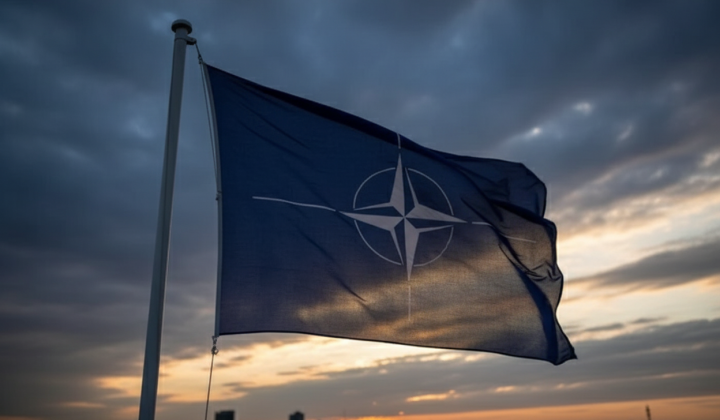
NATO Criticizes Nuclear Policies of Russia and China
According to Главком: Ahead of a key UN arms control conference, NATO member states have jointly condemned the nuclear policies of Russia and China. The North Atlantic Council stated that Russia has violated core arms control commitments and engaged in irresponsible nuclear saber-rattling. Meanwhile, China continues to rapidly expand and diversify its nuclear arsenal without providing transparency. NATO Deputy Secretary General Boris Ruge expressed hope for a consensus document at the upcoming meeting.
The State of Global Nuclear Arsenals
The Treaty on the Non-Proliferation of Nuclear Weapons (NPT) has been in force since 1970. However, Russia has withdrawn from all major arms control agreements and is now developing new nuclear delivery systems, including the medium-range ballistic missile 'Oreshnik,' which is capable of carrying a nuclear warhead. Boris Ruge emphasized the gravity of the situation, stating:
“Today we are dealing with a Russia that is waging the largest war in Europe since 1945.” - Boris Ruge
In response to NATO's accusations, China dismissed the criticism. A spokesperson for the Chinese Foreign Ministry asserted that 'China has always kept its nuclear capabilities at the minimum level required for national security and will never participate in a nuclear arms race.' Previous attempts to reach consensus at such conferences have failed, but Ruge noted that 'even if we fail to agree on a document, this, in our view, does not call into question the importance and validity of the NPT itself.'
The world's largest nuclear arsenals are currently held by:
- Russia
- The United States
- China
- France
- The United Kingdom
Amid these tensions, NATO Secretary General Mark Rutte believes it is unlikely the United States will withdraw from the alliance. However, U.S. President Donald Trump has repeatedly criticized NATO over its reluctance to assist in a potential war against Iran, which could strain future relations. This internal dynamic adds another layer of complexity to Western security policy.
The situation surrounding Russian and Chinese nuclear policy highlights growing international friction, particularly in the realm of arms control. NATO's firm stance against these nations could significantly impact future nuclear disarmament talks, as a continued lack of consensus risks intensifying global military competition. Achieving agreement in this critical area requires concerted effort from all parties, given that nuclear security remains a cornerstone of global peace and stability.

Read also