Wandering Waves of the Brain: The Mechanism of Structuring a Holistic Image of the World Revealed

Wandering Waves of the Brain: How a Unified Perception is Formed
According to НВ — Техно: Date: August 8, 09:00
Source: SciTechDaily
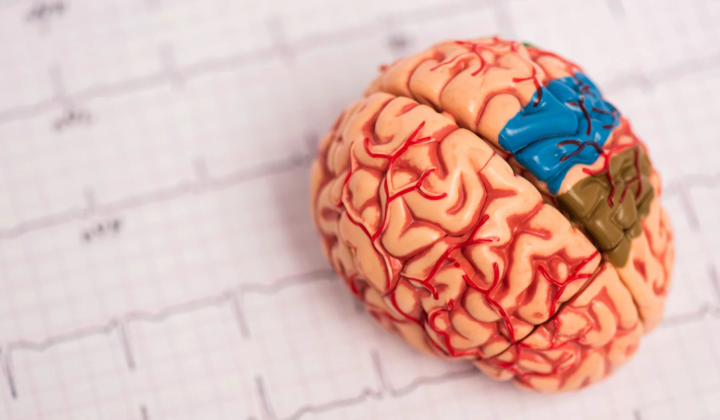
In a review article published on August 8, researchers from the Salk Institute put forward a hypothesis on how the brain manages to transform individual visual signals into a holistic picture of the surrounding reality. The authors assign a key role to neural waves that do not localize in one area but move across brain tissue. This mobile electrical activity, according to scientists, can influence attention, memory, and event prediction. The paper lists four probable functions of these waves, and the process of the brain constructing a model of the world is compared to the work of large language models.
Where and How Wandering Waves Were Discovered
They were first recorded in 2020 in the visual system of awake animals - this was achieved in the laboratory of neurobiologist John Reynolds. Previously, similar activity was observed primarily in animals under anesthesia; however, further experiments showed that in active individuals, the waves may be associated with the ability to notice objects. The sensitivity of the visual cortex to a new signal depends on the phase of the wave passing through.
According to the proposed model, wandering waves arise from recurring interactions between neurons. The strength of the connections between them changes under the influence of experience, which is why the brain uses past experiences and expectations to maintain a stable image of objects and their movements. This is particularly relevant, as the picture on the retina shifts every time a person moves their eyes, turns their head, or changes body position.
The results are important for neurobiology and cognitive sciences: understanding how the brain integrates information could lead to new therapeutic methods for perception disorders. The study also emphasizes the role of learning and experience in shaping reality and opens up prospects for technologies aimed at enhancing cognitive abilities. For Russian-speaking readers, it should be noted: this is about a fundamental mechanism - the brain actively reconstructs the visible picture of the world, rather than simply recording the image from the retina.
Understanding the dynamics of brain function is crucial, especially in light of recent studies that challenge long-held theories. For instance, new insights into the cerebellum's role in cognitive processes have emerged, suggesting a reevaluation of its significance. To explore these groundbreaking findings, read more about how critical theories of brain operation are being reassessed in the latest research here.

Read also