Key Cerebellum Theory Overturned by New Research Findings

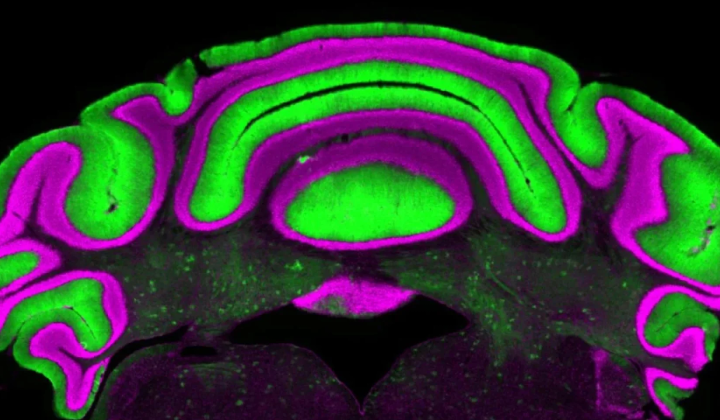
Examining Cerebellar Activity
According to НВ — Техно: A team of scientists at Virginia Tech has conducted a study on cerebellar activity, revealing no direct correlation between the firing of Purkinje cells and neurons in the deep cerebellar nuclei. This challenges the long-held assumption that Purkinje cell activity could accurately predict the behavior of deeper neurons. The cerebellum plays a critical role in coordinating movement, and when its function is disrupted, it is linked to conditions such as dystonia, ataxia, and tremor.
By analyzing electrical brain recordings obtained during research on cerebellar disease models, the investigators found no significant link between Purkinje cell output and the activity of deeper neurons. This suggests that to better understand movement disorders, research efforts must shift toward directly studying the activity of these deep neurons.
Significance of the Breakthrough
Purkinje cells, which have historically been used as a key indicator of brain state, actually send inhibitory signals to deeper neurons. Given these new insights, treatments designed to modify Purkinje cell function may not necessarily affect other parts of the cerebellum. These conclusions carry important implications for diagnosing and treating movement disorders, underscoring the need for a deeper investigation into how the cerebellum actually operates.
The Virginia Tech study highlights the importance of analyzing neural activity in the context of motor impairments. It has the potential to reshape how scientists study and treat cerebellar-related diseases, while opening up fresh avenues for research in this field.
The data generated by this research could prompt a reassessment of existing theories about cerebellar function and pave the way for new directions in neuroscience.
A deeper understanding of the mechanisms behind motor disorders may ultimately lead to more effective treatments tailored to the specific activity patterns of different neural structures.
Understanding the mechanisms behind neuronal activity is crucial for advancing treatments for movement disorders. In a related study, researchers at Kyoto University have uncovered why developing neurons may inadvertently damage their own DNA. This finding could provide additional insights into the complexities of neuronal behavior and the potential consequences for overall brain health. For more details on this intriguing research, see why young neurons harm their own DNA.

Read also