TOI-561 b: A Planet with a Molten Rock Ocean and a Surprisingly Persistent Atmosphere


Discovery of the Exoplanet TOI-561 b
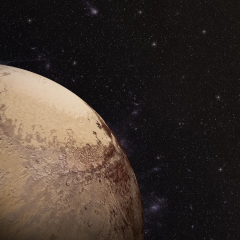
According to Radiotrek — Світ: Astronomers have identified TOI-561 b, a remarkable exoplanet featuring a surface covered by a vast ocean of molten rock. Despite orbiting very close to its star and enduring intense stellar radiation that would typically strip away an atmosphere over billions of years, this planet still retains a substantial gaseous envelope. This unexpected atmospheric resilience raises new questions about how planets can maintain their atmospheres under extreme conditions.
Key Features of TOI-561 b
Located approximately 280 light-years from Earth, TOI-561 b reflects about 75% of the light from its host star. Scientists believe this high reflectivity is due to dense mineral clouds acting as a protective barrier, preventing the planet's surface from absorbing excessive heat. Researchers suggest the planet's atmosphere may contain significant amounts of carbon dioxide and sulfur dioxide, the latter likely linked to volcanic activity.
- High levels of carbon dioxide
- Sulfur dioxide associated with volcanic processes
The molten rock ocean on TOI-561 b could constantly release gases, replenishing its atmosphere despite harsh conditions. However, the extreme temperatures make the planet inhospitable to life as we know it. Future observations using the James Webb Space Telescope are planned to explore the planet’s atmosphere and surface in greater detail.
The discovery of TOI-561 b marks a significant advancement in understanding how atmospheres can survive in hostile environments on exoplanets. Insights gained from studying this planet may enhance our knowledge of atmospheric retention mechanisms and contribute to the broader search for life on other worlds with similarly extreme conditions.
As researchers delve deeper into the mysteries of TOI-561 b, the recent findings from the James Webb Space Telescope reveal intriguing details about its dense atmosphere. This data may provide critical insights into the planet's unique characteristics and the mechanisms that allow it to sustain such an environment despite extreme conditions.

Read also