Even Putin's 'brain' Alexander Dugin fails to define the war's objectives

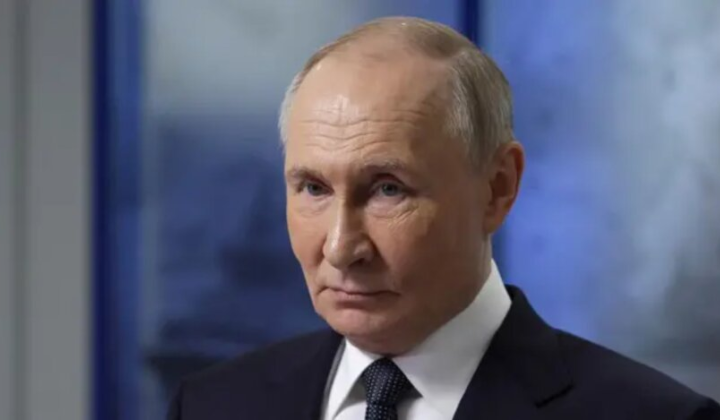
Examining the remarks of Alexander Dugin
According to ХВИЛЯ: Atlantic columnist Simon Shuster analyzes statements made by philosopher Alexander Dugin, often labeled as 'Putin's brain.' During an interview with blogger Ksenia Sobchak, Dugin could not clearly articulate the war's goals-a sign of exhaustion within Russia's elite. He acknowledged that Russia's chances of victory under current circumstances are critically low, stating:
'With the current elites, our chances are critically low-not just for victory, but even for holding the country together.'
Russian ideologues who spent years justifying the invasion of Ukraine can no longer explain what the war is being fought for. Dugin, who developed the 'neo-Eurasianism' doctrine to rationalize the conflict, spoke of a 'massive exodus from cities, almost religious, like the Jews leaving Egypt,' and described Russian cities turning into 'neo-ancient ruins.' The gap between what Russians know about the war and what the Kremlin says has grown too wide, even for war supporters.
Frontline situation and Kremlin response
Russia's losses in this war are severe-over a million Russians have been killed or seriously wounded. Commanders have lost tens of thousands of soldiers each month, and Russia's spring offensive in eastern Ukraine stalled. Ukrainian drones strike Russian targets nightly, halting oil refineries and shutting down airports. In the south, Ukrainian drones have begun attacking military convoys on the road from Russia to Crimea, leading to fuel rationing on the peninsula.
Drones also targeted St. Petersburg during its annual economic forum, damaging a warship near Kronstadt and setting an oil terminal on fire. Volodymyr Zelenskyy issued an open letter to Putin calling for negotiations, but Putin refused, citing 'elements of rudeness' in the letter. Cracks in the Kremlin consensus became visible this spring, when influential Russians began admitting the war is at a dead end and needs to stop. As Mikhail Zygar noted:
'A year or two ago, influential Russians still said the war needed to be fought to victory. Now no one says that.'
This situation suggests that everyone is deeply exhausted, and no one wants the war to continue-except possibly Putin and Dugin. These factors point to serious shifts in how Russia's elite and society perceive the war.
Growing discontent among Russian elites and the public over the war's duration, along with critical Russian losses, indicate potential changes in Kremlin policy. The absence of a clear conflict goal and rising public pressure could lead Russia to rethink its strategy in Ukraine. The situation remains tense, and developments could significantly impact future Kremlin policy and international relations in the region.
As the situation continues to deteriorate for Russia, even hardliners are beginning to recognize the stark reality that achieving victory in Ukraine is increasingly unattainable. This shift in perspective highlights the growing divide within the Kremlin and the challenges faced by those who once fervently supported the war effort.

Read also