Netanyahu and Milei Discuss Joint Action Against Iran: Key Details

Announcement of a Coordinated Effort
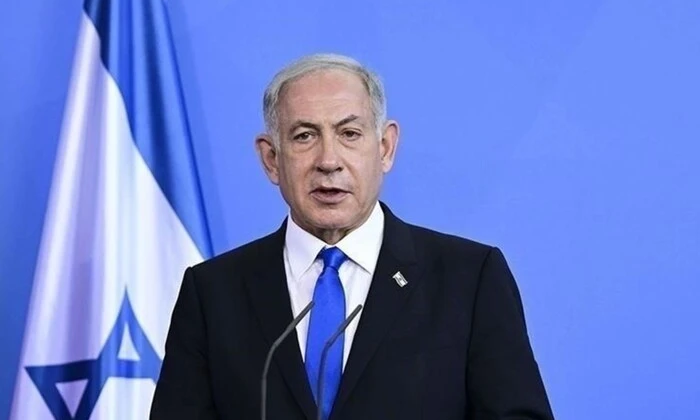
According to Главком: Israeli Prime Minister Benjamin Netanyahu has announced a joint campaign with the United States targeting Iran. This statement was made during a meeting in Jerusalem, where discussions also covered issues related to Iran's nuclear program. Argentina's President Javier Milei confirmed his intention to relocate his country's embassy to Jerusalem, a move with potential to significantly impact international relations in the region. This development comes amid ongoing global concerns over Iran's nuclear ambitions and regional influence.
Iranian Parliament Speaker Mohammad Bagher Ghalibaf, the chief negotiator in matters with the U.S., noted that talks between Tehran and Washington to resolve the conflict remain far from conclusion. Simultaneously, Iranian officials denied earlier statements about a willingness to make concessions regarding stockpiles of enriched uranium, emphasizing they have no plans to dispose of them.
Heightened Tensions
Benjamin Netanyahu pointed to the unpredictability of the situation, stating:
“Any moment could bring new developments. Who knows what awaits us tomorrow or the day after?”
This remark underscores the heightened anxiety surrounding Iran's nuclear program and international efforts to control it.
Furthermore, former U.S. President Donald Trump previously claimed that Iran had agreed to all terms during negotiations, including joint work to remove enriched uranium from the country and ship it to the United States. These comments highlight the complexity and multifaceted nature of the current situation, which demands close attention from the international community.
The situation around Iran's nuclear program remains tense, as actions by Israel and the U.S. indicate attempts to increase pressure on Tehran. Negotiations between Iran and the U.S., which have so far yielded no results, suggest the path to conflict resolution may be long and complicated. Argentina's decision to move its embassy to Jerusalem could also have far-reaching consequences for regional stability and international relations, emphasizing the critical importance of state-to-state dynamics within the context of global politics.
As the situation evolves, it is crucial to stay updated on Iran's stance, particularly following their recent rejection of negotiations with the U.S. that leaves diplomatic efforts at a standstill. This denial may influence Israel and the U.S. strategies as they navigate the complexities of regional security and nuclear diplomacy.

Read also