Germany Considers Lending Fighter Jets to Allies for Nuclear Missions: Key Details on the New Strategy

Germany's Shift in Nuclear Deterrence Policy
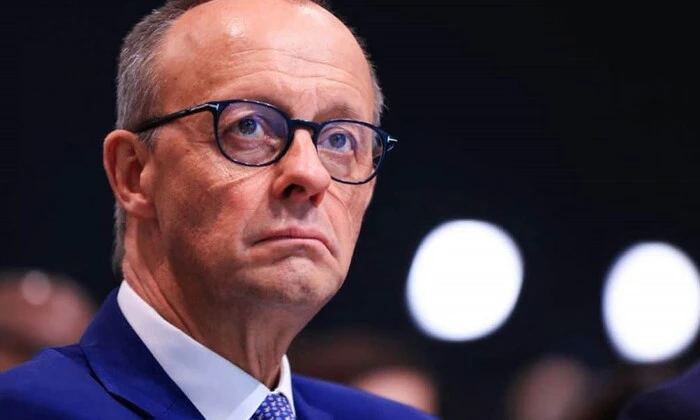
According to Главком: German Chancellor Friedrich Merz has outlined a new stance on nuclear deterrence, which includes the potential provision of German fighter jets to allied nations for the delivery of nuclear weapons. Specifically, this could involve using Germany's Tornado aircraft to potentially carry French or British nuclear arms. These Tornado jets are already stationed at Büchel Air Base, where they are prepared for missions involving American nuclear capabilities. This development marks a significant evolution in Germany's post-war defense posture, traditionally cautious about direct nuclear roles.
Merz is also engaged in confidential consultations with French President Emmanuel Macron regarding the creation of a European nuclear umbrella. This initiative is intended to supplement, not replace, the existing protection offered by the United States. Merz has firmly rejected the possibility of Germany developing its own nuclear weapons, emphasizing the importance of adhering to the 1970 Treaty on the Non-Proliferation of Nuclear Weapons. He stated:
'I do not want Germany to even consider independent nuclear armament.' Friedrich Merz
Concerns Over China's Nuclear Program
Simultaneously, developments in China's nuclear program are raising international concern. Satellite imagery has documented an expansion of the program, notably in the Qitong Valley in Sichuan province, where construction of new bunkers and berms is visible. The new complex features chimneys indicative of work with highly hazardous materials. In March 2026, Emmanuel Macron is scheduled to deliver a speech detailing a proposal for a French nuclear shield for the European Union.
Germany's evolving position on nuclear deterrence signals a broader shift in European security approaches, particularly in response to growing global threats. Collaborative efforts like a European nuclear umbrella could strengthen the EU's collective defense. Adherence to international agreements, such as the Non-Proliferation Treaty, remains a crucial pillar for maintaining regional stability amidst these strategic recalibrations.

Read also