Germany to Hand Over Former Nord Stream Gas Plant to Ukraine: Key Details

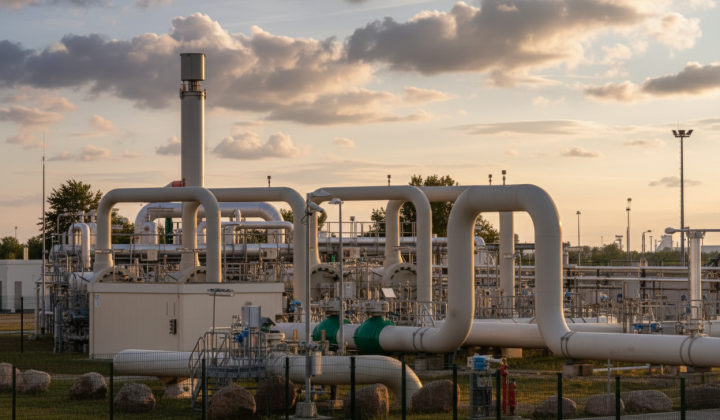
Gas-Fired Power Plant Transferred to Ukraine
According to Главком: Germany intends to donate a gas-fired power station located in the town of Lubmin to Ukraine. This facility previously supported the Nord Stream 1 pipeline but lost its economic viability after Russian gas supplies were halted. Following the cessation of deliveries in September 2022, the plant failed to attract a buyer and was fully shut down in 2023. With a capacity of 84 MW, it used to provide process heat during the injection of Russian gas into Germany’s grid.
Political Reactions and Broader Implications
According to reports, the power unit will be offered to Ukraine’s grid operator on a pick-up basis as part of humanitarian aid, as stated by the company Sefe. This transaction is aimed at bolstering Ukraine’s energy infrastructure.
The decision has sparked political debate in Germany. Nikolaus Kramer, a representative of the Alternative for Germany party, criticized the move, voicing concerns over its economic and political consequences.
It is worth noting that since April 25, the European Union has banned purchases of Russian liquefied natural gas on the spot market, though deliveries under long-term contracts may continue until the end of the year.
Handing over the gas-fired power plant to Ukraine represents a significant step in supporting the country’s energy system, which has suffered extensive damage due to the war. It also reflects a broader European trend of reducing reliance on Russian energy resources-a priority that has become even more pressing since the conflict began. The political discussions in Germany highlight the complexity of energy policy decisions, which carry both domestic and international weight.
The recent decision to transfer the gas-fired power plant to Ukraine highlights Germany's ongoing efforts to reshape its energy landscape. In a related move, the country is also taking steps to privatize a former Gazprom unit, which underscores the broader implications of its shift away from Russian energy dependence. For more insights on this significant development and its impact on the European gas market, see our article on the privatization of Gazprom's assets.

Read also