Germany's Nuclear Reversal: The Failure of Its Green Energy Strategy

Germany's Shift Back to Nuclear Power
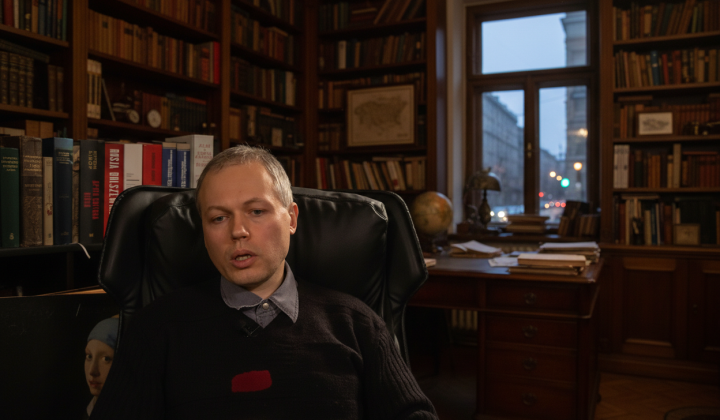
According to ХВИЛЯ: Germany, long considered Europe's leader in green energy, is now reversing course and reconsidering nuclear power. This policy shift has sparked intense debate over the causes of the nation's current energy crisis. Political scientist Yuriy Romanenko and economist Maksym Piven discussed how the phase-out of nuclear energy and reliance on Russian gas have impacted Germany's energy policy.
Maksym Piven argued that renewable energy sources cannot ensure stability without support from traditional hydrocarbons. He highlighted the inherent drawbacks of green energy, particularly its intermittent nature:
“We face problems with seasonality and the daily cycle of day and night.”
Maksym Piven
This raises a critical question: why has the push for green energy led Germany, after 50 years, to once again contemplate a return to nuclear power stations?
Yuriy Romanenko pointed out that Germany's entire strategy was built on access to cheap Russian gas, a foundation shattered by the war in Ukraine. He stated:
“This is a flawed thesis. The war has dealt terrible blows to the resilience of the German economy, as core markets have collapsed and Russia has ceased to be an exporter of cheap raw materials.”
Yuriy Romanenko
Thus, the abandonment of nuclear power and dependence on Russian energy resources are seen as primary causes of the present energy crisis. This situation highlights the complex trade-offs between environmental goals and energy security.
The Structure of Energy Production
Romanenko also compared Germany's energy production structure with that of China, where the mix is:
- Solar power provides 9% of generation
- Wind - 10%
- Nuclear - 4.5%
- Hydropower - 13%
- Gas - 3%
- Coal - 59%
He emphasized that over the last 30-40 years, China has significantly increased its share of renewable sources within its energy structure. In contrast, Germany now finds itself in a difficult position due to its dependence on external suppliers.
Germany's return to nuclear power is therefore a consequence of an energy crisis triggered by a changed geopolitical landscape and reliance on Russian gas. The expert discussions underscore the urgent need for the country to rethink its energy policy and find new paths to ensure energy security.
This reversal underscores the challenges nations face in balancing energy independence with sustainable development. An energy crisis, intensified by geopolitical events, is forcing countries to revise their strategies and seek new solutions to guarantee stable and secure energy supplies. These debates may form the basis for new approaches to energy policy not only in Germany but across Europe as nations grapple with similar pressures.

Read also