German Chancellor Cites Ukraine's Existing Arsenal in Taurus Missile Denial

Germany's Stance on Supplying Missiles to Ukraine
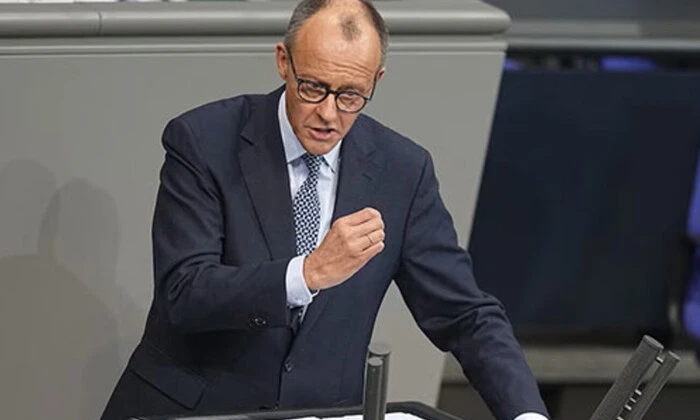
According to Главком: German Chancellor Friedrich Merz has explained his country's refusal to provide Ukraine with Taurus cruise missiles by pointing to the effectiveness of Kyiv's current arsenal. He stated that Ukraine already possesses weaponry that is 'significantly more effective' than the limited number of Taurus missiles Germany could supply. This statement reaffirms Berlin's established position, as Germany has previously declined to transfer these long-range systems. The Taurus missile debate has been a persistent point of discussion in Western military aid to Ukraine.
It is notable that before becoming Chancellor, Merz repeatedly advocated for sending Taurus missiles to Ukraine, marking a clear shift in his current stance. Meanwhile, Ukraine continues to receive other forms of military support. Specifically, Ukrainian National Guard units are set to receive 15,000 'Strila' interceptor drones, which could enhance their combat capabilities against aerial threats.
EU's Push for Enhanced Defense Capabilities
In a broader strategic move, the European Union aims to bolster its defense readiness by 2030. This initiative reflects a wider trend among member states to strengthen military capacities, which includes ongoing support for Ukraine's defensive war against the Russian invasion.
Chancellor Merz's statement on the Taurus missiles illustrates an evolution in Germany's approach to military aid for Ukraine, shaped by the current security landscape in Europe. Concurrently, the supply of other armaments, like drones, shows a focus on equipping Ukraine with modern technology that can substantially impact its defensive strength.
The EU's drive to enhance its collective defense capabilities further underscores a regional commitment to improving security in the face of escalating threats.
In light of Germany's current military aid stance, it is important to note that the country has recently relaxed its arms export policies for Ukraine and Gulf states, allowing for a more streamlined process in providing essential support. This shift reflects a broader commitment to enhancing defense capabilities across Europe, aligning with the ongoing discussions about military assistance to Ukraine amid the ongoing conflict.

Read also