Japanese Scientists Link Low Testosterone and High Fructose Intake to Increased Liver Fat Accumulation

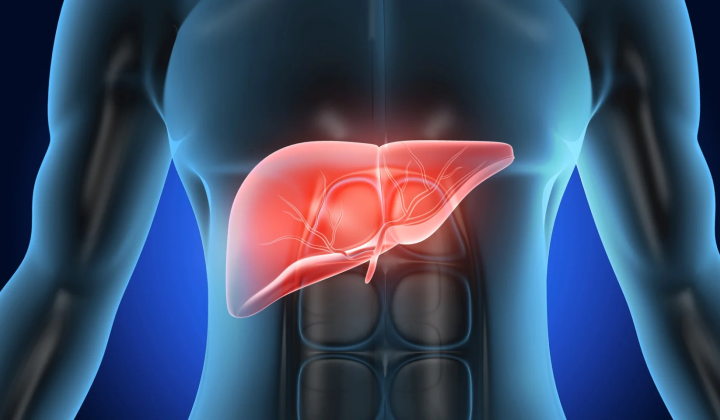
Fat Build-Up in the Liver
According to НВ — Техно: New research reveals that low testosterone levels can worsen the harmful effects of fructose on liver health.
A team from Osaka Metropolitan University discovered that male mice with reduced testosterone who consumed excessive fructose experienced significantly greater fat accumulation in their livers. This finding is particularly relevant given that metabolic dysfunction-associated steatotic liver disease (MASLD) affects roughly 40% of adult men worldwide. The study, conducted on 8-week-old male mice, sheds light on the biological mechanisms behind this condition.
Study Design and Findings
The researchers divided the mice into six groups. Some underwent surgery to lower testosterone levels, while others received a sham operation. Certain groups were given fructose, and some also received antibiotics to explore the role of gut bacteria. The combination of low testosterone and fructose intake led to a marked increase in liver fat deposits, whereas either factor alone caused only minor changes in triglyceride levels.
Mice with both low testosterone and fructose consumption showed alterations in their gut microbiome, shifts in liver gene activity, and elevated pyruvate levels in the cecum. Pyruvate, a key metabolite involved in energy metabolism, was found to promote the buildup of neutral fats in liver cells when combined with fructose, as demonstrated in laboratory experiments. However, further studies are needed to confirm if the same mechanisms apply to humans.
This research highlights the critical interplay between hormone levels and dietary habits in the development of MASLD, offering new insights that could inform future treatment and prevention strategies for this widespread liver disease.
The study emphasizes the importance of investigating hormonal influences on metabolic health, noting that low testosterone might represent a significant risk factor not only for men but for the general population, especially amid rising sugar consumption worldwide.
Ongoing research in this area may pave the way for innovative approaches to prevent and manage MASLD, a key challenge in addressing global metabolic disorders.
Understanding the factors that contribute to liver health is crucial, especially when considering recent findings that link dietary choices to liver disease risk. For instance, a study from Oregon has revealed that eating late at night can significantly increase the likelihood of liver complications. This underscores the importance of not only hormone levels but also eating patterns in maintaining liver function.

Read also