Why Europe Cares: UAE and Qatar Urge Trump to Restrain Strikes on Iran

Regional Tensions
According to Главком: The United Arab Emirates and Qatar are privately urging their allies to convince U.S. President Donald Trump to limit military action against Iran. This diplomatic push is a direct response to escalating regional tensions, including a recent Iranian drone attack. That attack forced Qatar to halt production at the world's largest liquefied natural gas export facility, causing European gas prices to surge by more than 50%. This price spike highlights Europe's vulnerability to supply disruptions from the Persian Gulf, a critical energy corridor.
Air Defense Shortcomings
The situation has alarmed both the UAE and Qatar, who are now actively working to improve their air defense capabilities. Both nations have requested help from allies for medium-range air defense systems, with Qatar also seeking support to counter drone attacks. According to Bloomberg analysts, Qatar's stockpile of Patriot interceptor missiles would last only four days at current usage rates. This precarious defense posture underscores the immediate risks to regional stability and energy infrastructure.
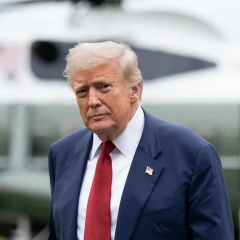
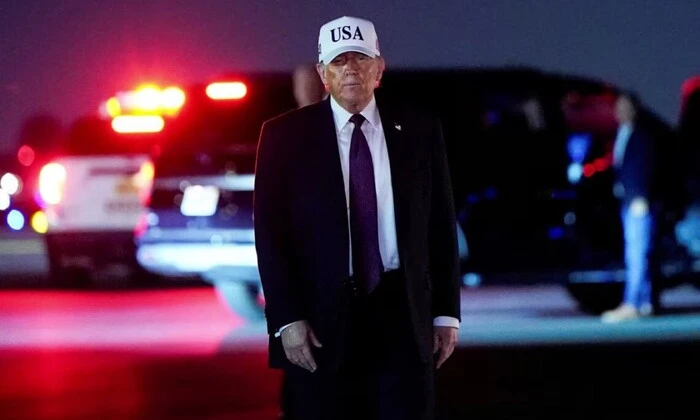
Meanwhile, U.S. President Donald Trump has not ruled out deploying American troops to Iran, stating that the U.S. has "not even started" and that a major wave of attacks is still to come. Iran continues to strike neighboring countries, including Bahrain, Jordan, Kuwait, Qatar, and the UAE, further heightening regional anxiety.
“The U.S. has not even started, and a major wave of attacks is still to come.” - Donald Trump
It is crucial to recognize that escalating tensions in the Persian Gulf could have serious consequences beyond the region, impacting global energy markets. The spike in European gas prices could affect the energy security of many import-dependent nations. Furthermore, intensified military action risks a wider conflict, demanding international attention to prevent further escalation.
The question remains how the U.S. and other global powers will respond to this situation to avoid a new cycle of military action in the region.

Read also