After 17 Months of Torture in Taganrog, Azov Officer Mykhailo Chaplia Returns Home from Captivity

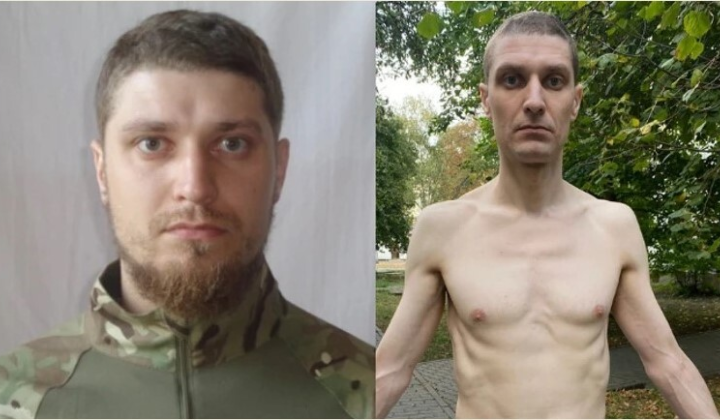
The Ordeal of Azov Officer Mykhailo Chaplia in Captivity
According to Radiotrek — Світ: Mykhailo Chaplia’s experience as a captive offers a stark insight into the brutal conditions Ukrainian soldiers have faced while imprisoned. Before the war escalated, Mykhailo served in tank reconnaissance and worked as a driver of an armored personnel carrier and a staff officer. After being transferred from Olenivka prison colony, he spent over 17 months confined in Detention Center No. 2 in Taganrog, enduring severe torture that severely impacted both his physical health and mental wellbeing.
Harsh Detention Conditions and Personal Struggles
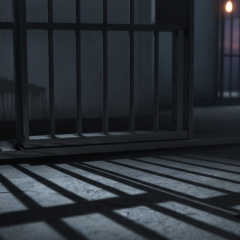
During his imprisonment, Mykhailo was held in appalling conditions: for 17 months, he was confined to a cramped cell made from 12 wooden planks, with only a bench, table, and toilet, and no access to basic hygiene items such as soap or toilet paper. His weight plummeted from 105 kg to 58 kg due to a meager diet consisting solely of sauerkraut with water and semolina porridge with raw herring. Prisoners were frequently beaten with batons, sticks, and stun guns, and speaking without guards’ permission was strictly prohibited. Mykhailo recalls the first night after arrival when hundreds of prisoners were driven down the corridor under blows from batons, sticks, and electric shocks.
He described the mental torment as the most devastating aspect, saying,
“The worst pain is when they break your mind, not your body.”
Captives were forced to sign falsified accusations; Mykhailo himself was falsely charged with civilian murders and setting fire to the Trade Union building in Odesa. He was later joined in the cell by another prisoner from Luhansk named Serhiy, whom he cared for during the month they were together, as Serhiy suffered from hepatitis and shocker wounds.
“There were also suicides. It’s heartbreaking to encourage a brother saying ‘everything will be alright’ only to learn that another didn’t survive,”
Mykhailo shared.
On September 13, 2024, Mykhailo was finally released and returned to Ukraine, marking a deeply emotional reunion for him and his loved ones. His wife fulfilled his dream by opening a café named 'Chaplia Charlie.' Reflecting on his freedom, he stated,
“I will keep moving forward with my life, while they remain stuck in that filth.”
He also expressed the profound relief of returning to normalcy:
“Feeling the wind brush my cheek-that’s true freedom.”
Mykhailo believes that despite everything he endured,
“I hit rock bottom and pushed off from there.”
He proudly affirmed,
“I did not shame the honor of an Azov soldier, an officer, a Ukrainian. I consider myself victorious for having come through this.”
His story stands as a powerful testament to the resilience and unwavering spirit of Ukrainian servicemen in the face of extreme adversity.
Beyond the individual heroism, Mykhailo’s case highlights the broader issue of human rights violations during wartime detention. The torture and inhumane conditions faced by prisoners demand urgent international attention. His homecoming also symbolizes hope for other soldiers still held captive and underscores the critical importance of supporting families awaiting their loved ones. This narrative reminds us that even amid the darkest moments, strength can be found to fight for dignity and justice.

Read also