New Frequencies for Russian 'Molniya' Drones Blind Ukrainian Detectors

Shift in Russian Military Tactics
According to Главком: Russian occupation forces have altered how they deploy their 'Molniya' drones, switching to new radio frequencies. Advisor to Ukraine’s Defense Minister Serhiy Beskrestnov shared this information, which was published by the outlet Glavcom. The enemy now uses the 4.1–4.5 GHz band for video transmission on these drones, specifically the 4.3–4.5 GHz range. The key danger is that most standard Ukrainian drone detectors either cannot pick up this band at all or recognize it very poorly, Beskrestnov noted. This creates major difficulties for Ukraine’s electronic detection systems.
Technical Details of the Molniya UAV
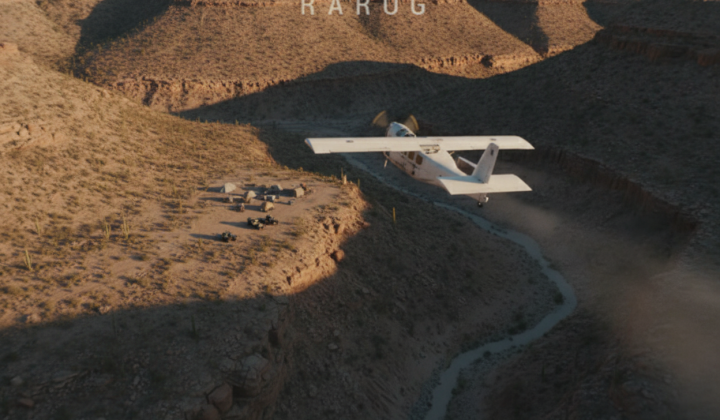
The Molniya drone is built on a principle of maximum cost-cutting. Its body is made from plywood, foam, plastic, and metal tubes, while its electronics and motors are mostly civilian components sourced from China. Key technical specifications of the Molniya UAV include:
- fuselage length of about 1.5 meters;
- wingspan of 1.2–1.5 meters;
- total weight up to 10 kg;
- payload capacity between 3 and 5 kg.
Additionally, Russia’s Kalibr cruise missiles have undergone two major modifications since the start of the full-scale invasion. These missiles now feature a cluster warhead, which increases their blast area and makes them more effective against dispersed targets. These tactical and technical changes pose fresh challenges for Ukraine’s defense forces.
Russia’s evolving battlefield tactics show its drive to adapt to modern combat conditions, which could complicate the mission for Ukrainian defenders. The adoption of new radio frequencies for drones and the upgrades to Kalibr missiles highlight the urgent need for Ukraine to continuously improve its detection systems and air defenses. In light of these developments, Ukrainian troops may face new hurdles that demand swift responses and rapid adaptation to shifting warfare realities.
In addition to the challenges posed by the new frequencies of the 'Molniya' drones, the Russian military is also employing tactics that leverage complete radio silence with their Lancet drones. This shift not only complicates detection efforts but also emphasizes the evolving nature of aerial warfare, necessitating a swift adaptation from Ukrainian defense systems.

Read also