Wildfires sweeping Greece have destroyed more than 100 homes

Greece wildfires: destruction and evacuations
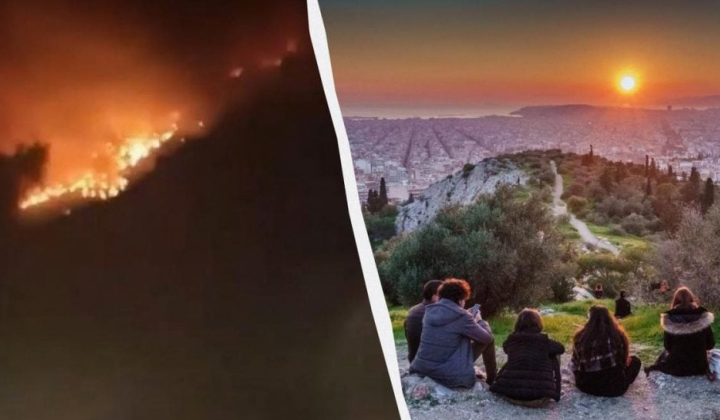
According to УНІАН — Туризм: Large forest fires are still burning across Greece, driven by the same successive heat waves that have affected much of Europe. More than 100 homes have been destroyed northwest of Athens, while thousands of people are being evacuated from the popular tourist island of Kefalonia as the flames continue to spread. In the Attica region on 2 August 2026, two firefighting helicopters collided during firefighting operations; two people aboard one aircraft were killed, while the crew of the other survived.
A fire near Porto Germen, about 60 km northwest of Athens, crossed a mountain and reached the settlement of Veniza and a military training area, where unexploded ordnance ignited. Emergency services are concentrating on keeping the flames away from the coastal town of Megara, home to roughly 30,000 people. Greek authorities have issued urgent evacuation alerts for communities in western Attica, including the industrial zone near Megara.
Evacuations and visitor guidance
Overnight between 2 and 3 August, several villages on the Ionian island of Kefalonia were evacuated after a fire broke out in the Pastra area in the south. Earlier, several thousand people had already been moved from the Rethymno region of Crete, where a number of firefighters also lost their lives. Airports in Heraklion and Chania on Crete are still operating on schedule, though delays and cancellations are possible. Tourists are being urged to register their mobile phones with local networks so they can receive wildfire emergency alerts; no specific travel advisories have been issued so far.
The fires in Greece are part of a wider problem, with similar wildfire and drought conditions also seen elsewhere in Europe. Prolonged heat and dry periods have lowered water levels in rivers and reservoirs, raising the risk of additional environmental and economic harm. Greek and other European authorities are continuing to address the effects of climate change, which is increasing the frequency and intensity of such disasters.
As wildfires continue to ravage Greece, they are part of a larger pattern of extreme weather affecting the entire southern European region. For a deeper understanding of how soaring temperatures have led to devastating fires across multiple countries, you can read more about the situation in southern Europe.

Read also