Olympic Taekwondo Champion Maxim Khramtsov Retires, Seeks Political Office with Russia's Ruling Party

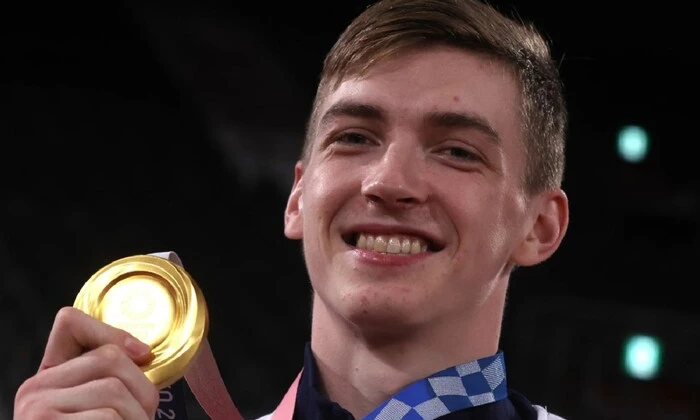
Maxim Khramtsov Announces Retirement from Sport
According to Главком: Olympic taekwondo champion Maxim Khramtsov has declared an end to his professional athletic career, stating he will now focus on public service. He outlined plans to organize tournaments and masterclasses, with a particular emphasis on engaging with children and young people.
"My sporting career is over. I plan to engage in public activities, specifically to hold tournaments and masterclasses, and to communicate with children and youth," he stated.
Political Ambitions and Affiliations
In a significant move, Khramtsov has submitted documents to participate in the preliminary selection process for the ruling United Russia party in the Khanty-Mansi Autonomous Okrug. Should he succeed in this internal party vote, he will stand as a United Russia candidate in the upcoming elections for the eighth convocation of the Tyumen Regional Duma. His political alignment is further evidenced by his public support for Vladimir Putin, including the use of the pro-war 'Z' symbol in his social media posts.
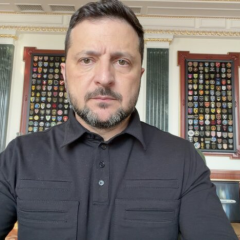
This political activity follows actions taken against him by Ukraine. In February 2026, Ukrainian President Volodymyr Zelenskyy imposed sanctions on Khramtsov. The athlete had previously drawn international attention in October 2022 by recording a birthday greeting for Vladimir Putin, a clear signal of his political stance. His career shift from Olympic champion to aspiring politician reflects a broader trend of Russian athletes entering the political sphere under the current government.
Khramtsov's retirement is likely to have a substantial impact on his future role in public life, particularly given his political ambitions. His potential candidacy for the Tyumen Regional Duma and his active support for the regime may alter public perception of him as both an athlete and a citizen, especially among the youth he aims to mentor. Observing his subsequent activities could provide greater insight into the evolving relationship between sports and politics in contemporary Russia.

Read also