Who Is to Blame for Clashes Between Soldiers and Civilians? Ukraine’s Ombudsperson Points Fingers

Government and Local Authorities Held Accountable for Military-Civilian Tensions
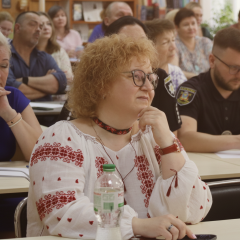
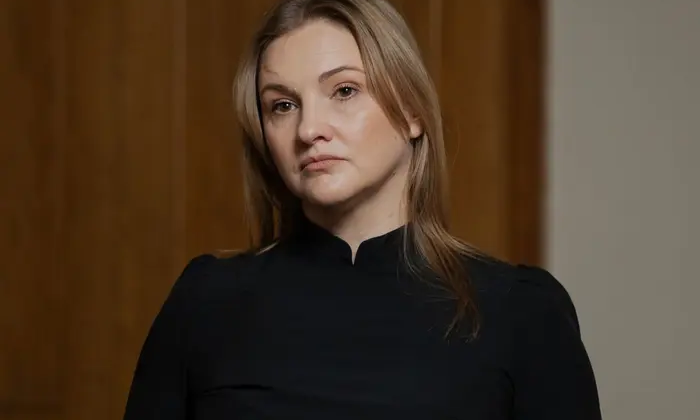
According to Главком: Ukraine’s military ombudsperson, Olga Reshetilova, has placed responsibility for conflicts between service members and civilians squarely on the government, the military-political leadership, and local self-government bodies. Her remarks come in the wake of a July 8 incident in Lviv’s Sykhiv district, where staff from a Territorial Recruitment and Social Support Center (TCC and SP) clashed with local residents. Such tensions highlight the growing strain in communities affected by the ongoing war.
The Lviv regional TCC and SP urged citizens to resist hostile provocations, stressing the need to maintain public calm. Lviv Mayor Andriy Sadovyi condemned the crowd that confronted military personnel from the TCC that evening, calling the violence unacceptable.
Urgent Call for Mobilization Overhaul
Reshetilova emphasized the pressing need for reforms in the mobilization system, stating:
“A complete revision of reservation principles is required-this is where mobilization reform must begin.” - Olga Reshetilova
She also warned that “a special place in hell awaits those politicians and officials who exploit the topic of mobilization for hype.”
According to the ombudsperson, successful reform depends on:
- political will;
- a team of capable bureaucrats;
- public support.
The responsibility for triggering conflicts between military personnel and civilians lies with the government, the military-political leadership, and local self-government bodies, she reiterated.
The Lviv incident underscores an urgent need to overhaul the mobilization system and improve how the military and civilians interact. Reshetilova’s statement reflects widespread concern over social tensions during wartime and the necessity of dialogue to prevent future clashes. Society, the armed forces, and authorities must find joint solutions to ensure peace and stability in regions impacted by military operations.
As tensions escalate between civilians and military personnel, the recent attack on military recruitment officers in Lviv further illustrates the fragile nature of these interactions. This incident, condemned by the Defense Ministry, underscores the urgent need for dialogue and reform in the mobilization process. To understand the implications of this situation and its impact on community relations, read more about the details of the attack here.

Read also