Hungary's Orban Urges EU to Lift Russian Energy Sanctions Amid 'Druzhba' Pipeline Stoppage

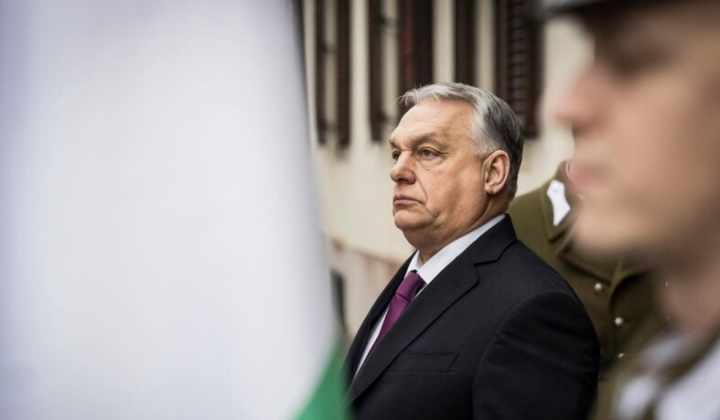
Hungarian PM's Appeal to the European Commission
According to ХВИЛЯ: On March 9, 2026, Hungarian Prime Minister Viktor Orban formally requested that European Commission President Ursula von der Leyen suspend all sanctions targeting Russia's energy sector. This call came amid a period of rising energy prices across the continent. Orban insisted that a full review and immediate pause of all European sanctions on Russian energy was urgently required.
The Stalled 'Druzhba' Oil Pipeline
The flow of oil through the Ukrainian section of the 'Druzhba' pipeline has been halted since late January 2026. Kyiv attributes the stoppage to damage from Russian attacks on critical infrastructure, while Budapest maintains the blockade is politically motivated. In response to the ensuing energy crisis, Viktor Orban convened an emergency meeting of the Hungarian government, primarily focused on stabilizing domestic fuel prices.
This dispute has escalated tensions, leading to a sharp exchange of threats between Ukrainian President Volodymyr Zelenskyy and Hungarian PM Viktor Orban. These developments underscore the complex and volatile energy landscape in Eastern Europe, where energy security is deeply intertwined with geopolitics. The situation highlights the ongoing challenge for the EU in balancing sanctions pressure on Russia with the economic stability of member states.
Orban's appeal to the European Commission signals that Europe's energy policy is facing renewed strain, particularly in the context of the ongoing war in Ukraine and the sanctions regime it prompted.
The 'Druzhba' pipeline crisis illustrates how energy issues can carry significant political consequences, directly impacting relations between neighboring nations. As energy costs continue to climb, such demands from within the EU are likely to fuel further debate over the bloc's sanctions strategy and its broader regional energy security.

Read also