Germany Denied Tomahawk Missile Purchase by Pentagon

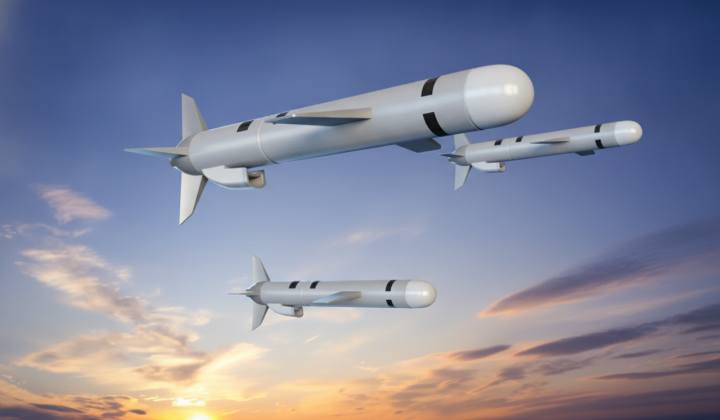
Pentagon Blocks Tomahawk Missile Sale to Germany
According to ХВИЛЯ: The U.S. Department of Defense has rejected Germany's request to buy long-range Tomahawk missiles, raising fresh concerns about security within transatlantic relations. Ivo Daalder, a former U.S. ambassador to NATO, argues this move signals a deliberate decoupling of American security interests from Europe's. As part of this broader shift, Washington has decided to pull five thousand troops out of Germany, halted the deployment of a Tomahawk missile battalion, and cut back on planned deliveries of bombers, fighter jets, destroyers, and submarines meant to bolster NATO's defenses.
A Look Back at Transatlantic Ties
Fears of a rift in transatlantic relations first emerged in the late 1950s, and by the mid-1970s, the Soviet Union had deployed its SS-20 missiles. At that time, West German Chancellor Helmut Schmidt urged NATO to counter the Soviet threat. In 1979, the alliance agreed to station long-range nuclear missiles, which eventually led to the 1987 treaty banning intermediate-range missiles with ranges between 500 and 5,000 kilometers. That agreement held for over three decades, but the first Trump administration withdrew from it in 2019, citing Russian violations.
U.S. Secretary of State Marco Rubio has described NATO as a 'one-way street.' In response to these evolving dynamics, Europe is ramping up military spending and developing its own long-range strike systems, some of which carry nuclear capabilities. NATO's Supreme Allied Commander Europe, General Alexus Grynkewich, has pointed to an 'unhealthy codependency' in U.S.-European relations.
Ivo Daalder remarked, 'Soon we will find out who was right,' underscoring the urgency of the situation.
Ultimately, the Pentagon's refusal to sell Tomahawk missiles, along with other U.S. actions, reflects a changing approach to European security that could reshape transatlantic relations. This shift may also push European nations to accelerate their own defense initiatives and reduce reliance on the United States. If these trends continue, they could lead to new strategic realities on the global stage, including an altered balance of power across Europe.
The recent decision by the Pentagon to deny Germany the purchase of Tomahawk missiles has raised significant questions about the future of defense cooperation between the U.S. and Europe. This development is part of a broader trend in transatlantic relations, where Europe is increasingly seeking to strengthen its military capabilities. For a deeper understanding of this evolving situation and its implications for NATO, read more about the Pentagon's missile sale rejection.

Read also