EU Budget Talks for 2028–2034 Collapse, Approval Delayed Until December

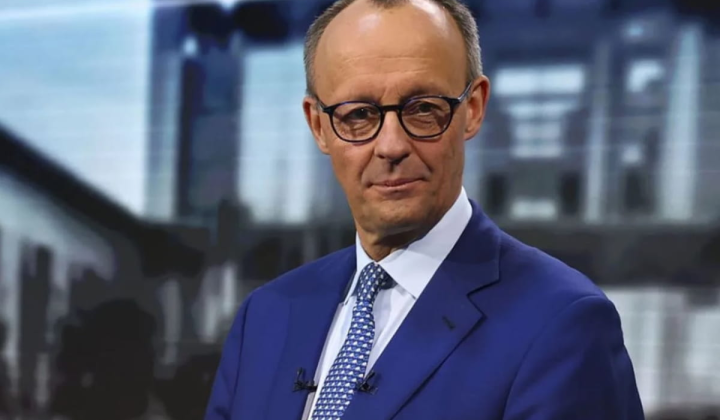
EU Leaders' Summit on Future Budget
According to 5 канал — Економіка: Discussions among European Union heads of state and government in Brussels over the proposed seven-year budget for 2028–2034 ended without an agreement. Consequently, the final approval of the budget has been postponed to the upcoming European Council meeting scheduled for December 17–18.
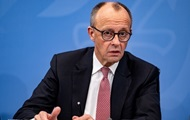
During the talks, German Chancellor Friedrich Merz outlined Germany's stance, emphasizing the need for a fair distribution of financial responsibilities, maintaining budgetary stability, and controlling debt levels. He also stressed the importance of establishing a financial reserve dedicated to security and the long-term support of Ukraine. Merz remarked:
“Secondly, we are negotiating the budget under entirely new circumstances. We must make Europe economically strong and ensure its capability for self-defense. This is especially critical given the greatest external threat Europe faces-the war in Ukraine and the associated risks to our shared security.” - Friedrich Merz
Financial Challenges and Member States’ Positions
Germany contributes roughly a quarter of the EU budget but receives back about 8% in funding. Expected expenditures related to servicing debts from the NextGenerationEU program and assistance to Ukraine are projected to exceed €150 billion over the next seven years.
The Dutch government has backed Germany's call for all EU countries to share responsibility in financing support for Ukraine. Chancellor Merz added, “Everyone must contribute to Ukraine’s long-term funding.” He expressed hope for a successful outcome at the European Council meeting in December, stating, “I remain optimistic about the December 17 European Council session.”
With elections upcoming next year in several major and mid-sized EU nations, reaching consensus on the budget is further complicated. Merz acknowledged, “It’s clear that our visions on how to shape the budget differ significantly. Given the current stage of negotiations, this is unsurprising. We all understand that bridging these opposing views will require time and considerable goodwill.”
As a result, the EU’s budgetary plans remain unresolved, with final approval hinging on ongoing negotiations and political cooperation among member countries.
Setting the EU’s multi-year budget is crucial for ensuring financial stability and supporting member states, especially amid new challenges like the conflict in Ukraine. Uncertainty surrounding budget agreements could impact funding for vital programs, including aid to Ukraine and investments in Europe’s economic resilience. The outcome of the December talks will be pivotal in overcoming divisions within the Union.
The ongoing discussions surrounding the EU budget reflect the complexities of member states' positions, especially in light of the significant financial commitments required for supporting Ukraine. For further insights into how EU leaders are striving to finalize a cohesive multi-year budget framework by the end of this year, explore our detailed coverage on the latest summit developments.

Read also