Tehran’s Fresh Demands Derail U.S.-Iran Negotiations

Outlook for a Peace Deal Between Washington and Tehran
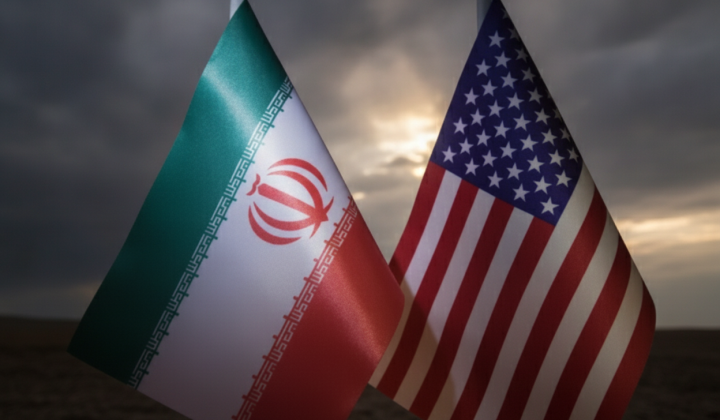
According to Главком: The possibility of a peace agreement between the United States and Iran has been thrown into doubt after Tehran introduced new conditions. Talks scheduled for June 30 in Doha, the capital of Qatar, collapsed when the Iranian delegation refused to engage directly with American officials. Instead, Iran proposed a dialogue format mediated by Qatari intermediaries, a move that hindered direct discussion of the key issues.
Iranian Foreign Minister Abbas Araghchi stated that 'any further progress depends entirely on Washington’s actions.' He emphasized that the United States must show genuine commitment to diplomacy and fully abandon any military pressure. The main prerequisite for reviving the diplomatic process is reaching a ceasefire agreement.
Exchange of Strikes and New Obstacles
In early June, the U.S. and Iran exchanged strikes while a truce was still in effect, with Iran launching ballistic missiles at Kuwait and Bahrain. In response, an Iranian official declared that 'Tehran will not negotiate under the threat of new American attacks.' Iran’s Ministry of Foreign Affairs also announced that 'no negotiating meetings with the United States at any level are planned in the coming days.'
The situation grew more complicated following heightened tensions between Iran and Israel, pushing both sides to explore new avenues for conflict resolution. U.S. President Donald Trump expressed willingness to revisit discussions on Iran’s nuclear program, while Tehran insists on its right to develop peaceful nuclear energy and enrich uranium.
Notably, Iran’s chief negotiator Mohammad Bagher Ghalibaf had earlier reported an agreement with the U.S. on a hotline in the Strait of Hormuz, but official Tehran denied this claim. Iranian Foreign Ministry spokesman Esmaeil Baghai stated that Tehran is currently focused entirely on implementing a previously signed memorandum of understanding, rather than moving toward a final peace deal. Analysts note that the path to a potential compromise between the U.S. and Iran remains extremely difficult and tangled.
The current situation highlights the fragility of diplomatic efforts amid tense relations between the United States, Iran, and their allies. Iran’s refusal to hold direct talks with the U.S. due to fears of new attacks shows that military actions remain a major barrier to the peace process. The actions of other regional players, such as Israel, also remain important, as they can influence the dynamics of negotiations and the overall security climate in the Middle East.
The ongoing tensions in the region have significant implications for international shipping, particularly in vital waterways. Recent developments highlight Iran's strategic moves, such as its decision to block the Strait of Hormuz in response to perceived breaches of agreements by the U.S. Understanding these actions is crucial to grasping the broader context of U.S.-Iran relations and the potential for future negotiations.

Read also