Abu Dhabi Talks Highlight Europe’s Direct Involvement in Russia’s War Against Ukraine

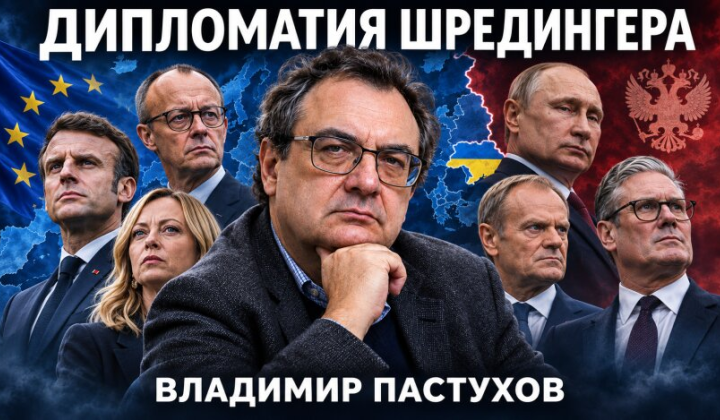
Europe’s Central Role in the Abu Dhabi Peace Talks
According to ХВИЛЯ: The ongoing negotiations in Abu Dhabi emphasize Europe’s direct engagement in the conflict ignited by Russia’s invasion of Ukraine. This war, now entering its sixth year, represents a broader clash between two distinct civilizational forces: Russia, which claims the legacy of the 'Third Rome,' and modern Europe, aspiring to become the 'Fourth Rome.' Both sides harbor imperial ambitions and seek territorial expansion. However, their actions are constrained by the presence of nuclear weapons and the strategic influence exerted by the United States and China. Amid this struggle, Ukraine endures the heaviest toll.
Geopolitical Rivalries and Contemporary Challenges
The talks in Abu Dhabi formally involve Ukraine, Russia, and the United States, while Europe’s role remains informal and somewhat ambiguous. Under Vladimir Putin’s leadership, Russia-ruled by him for over 25 years-is pursuing its imperial goals. In the twentieth century, Russia attempted to forge a unified "Soviet people" as a new historical community, whereas in the twenty-first century, it is working toward creating a "post-Soviet nation."
Conversely, Europe is positioning itself as the "Fourth Rome," aiming for political unity and the emergence of a post-European civilization founded on a singular European identity. Both Russia and Europe are in phases of expansion, inevitably leading to confrontation. Neither side faces significant internal obstacles to their growth, but they are locked in a direct competition with each other.
It is important to recognize that both factions possess nuclear arsenals. Europe relies heavily on US security guarantees and military aid to support Ukraine, while Russia benefits from backing by China. Nevertheless, neither the US nor China seeks to become embroiled in a proxy war on European soil. This dynamic renders the Ukrainian conflict an imperial contest between two evolving post-civilizational powers, with Ukraine suffering the most profound consequences.
As Vladimir Pastukhov, a professor at University College London, notes, the situation in Ukraine exemplifies the modern geopolitical rivalries shaping global politics today.
The Abu Dhabi negotiations could mark a pivotal moment for understanding the geopolitical tensions influencing Europe’s contemporary policy landscape. Given the involvement of the US and the ambiguous role of Europe itself, these talks may shape future approaches from all parties involved. Throughout these developments, Ukraine remains at the heart of the crisis, with its sovereignty and territorial integrity under constant threat amid expansive imperial ambitions on the global stage.
The ongoing discussions in Abu Dhabi not only highlight Europe's involvement but also reflect the intricate dynamics of security and humanitarian concerns among the key players. For a deeper understanding of the issues at hand, including the critical security guarantees and territorial disputes being addressed, you can explore more about the meetings between Ukraine, the US, and Russia that are shaping the future of the region.

Read also